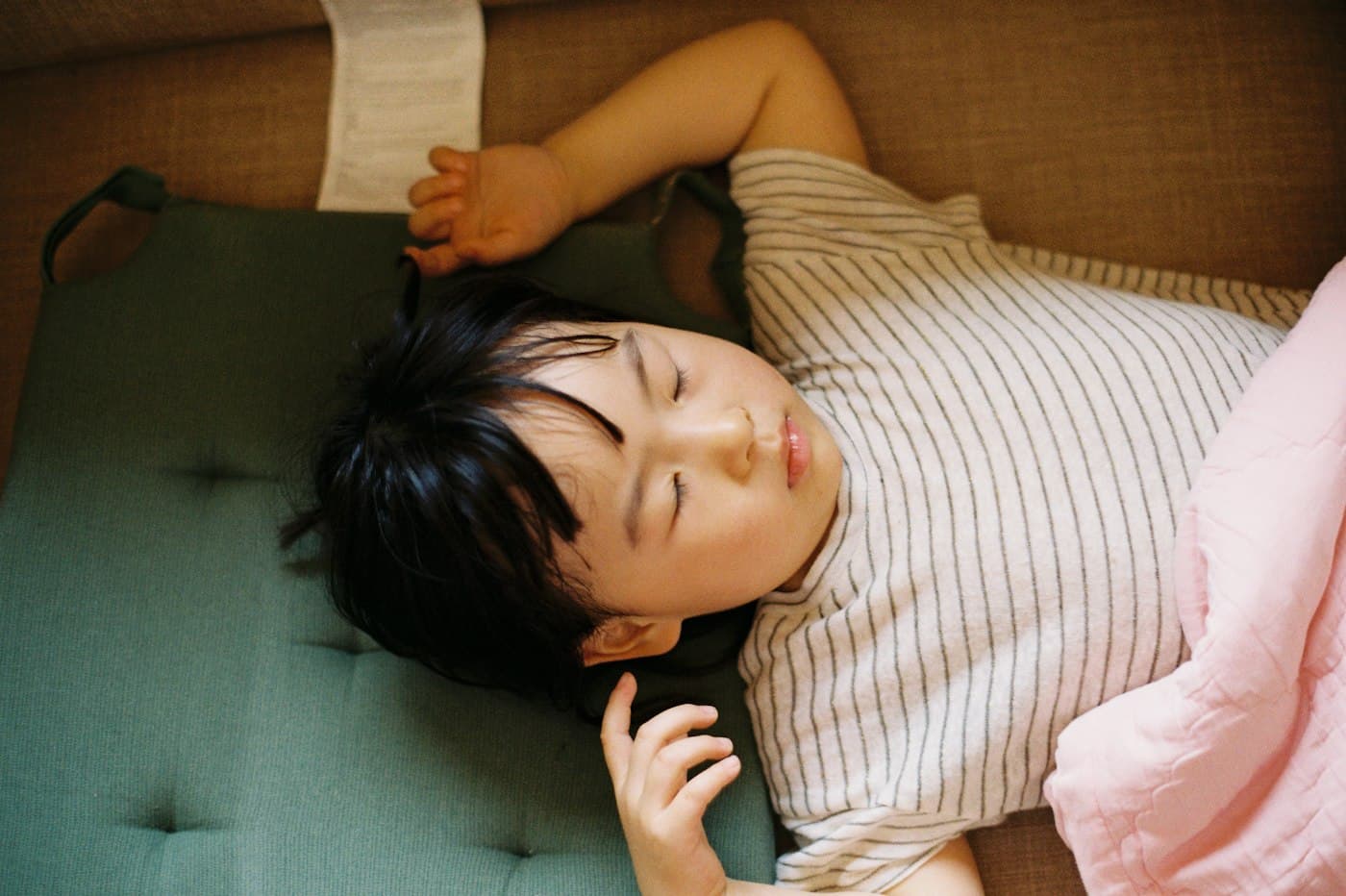
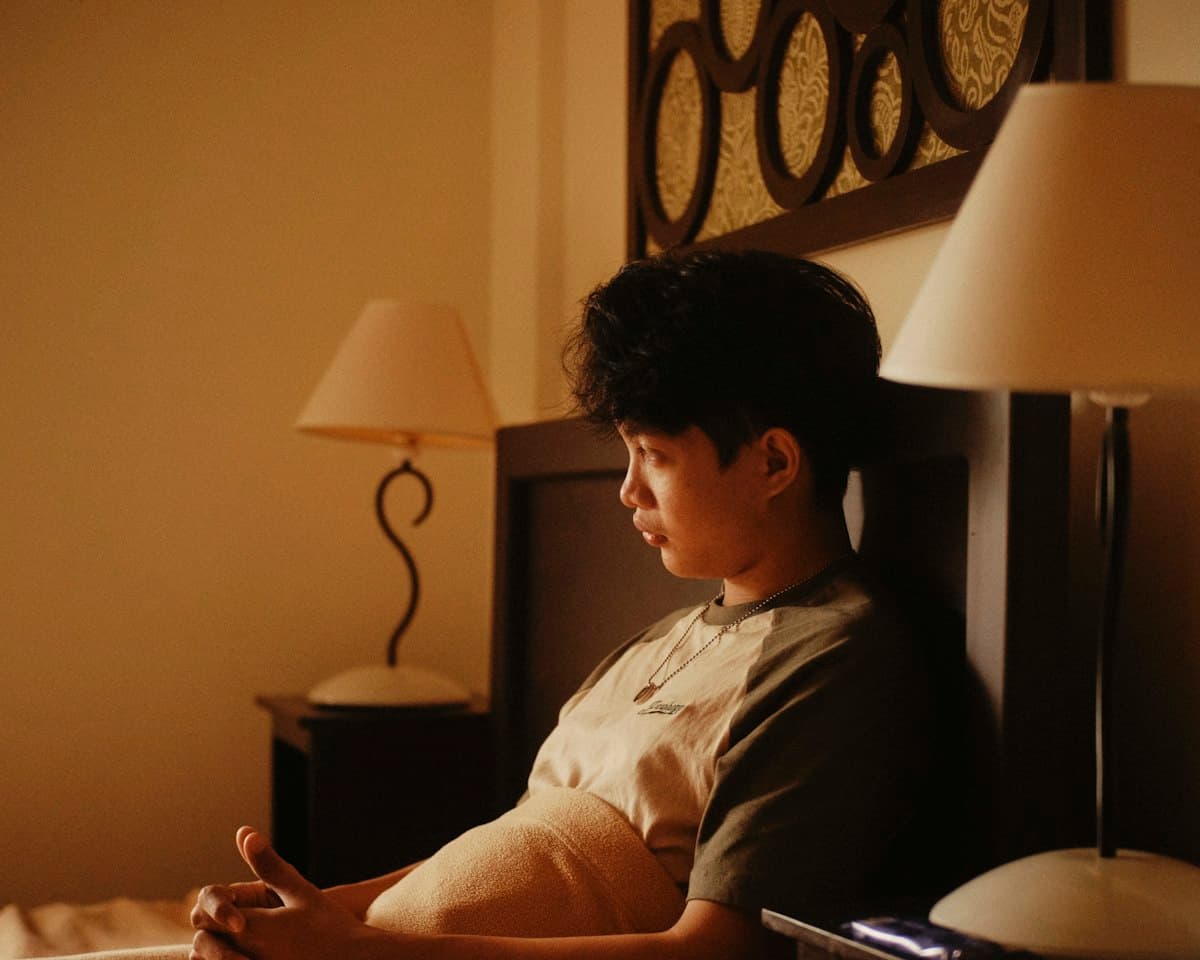
How much sleep do kids need? Sleep chart by age, 0–18
Quick answer
Kids need 12–16 hours of sleep in 24 hours at 4–12 months, 11–14 at 1–2 years, 10–13 at 3–5 years, 9–12 at 6–12 years and 8–10 at 13–18 years, naps included. Newborns sleep about 14–17 hours, in short stretches. Set bedtime by counting back from the wake-up time; a child who is hard to wake is often short of sleep.
 By the ParentMind team10 min read
Listen to this article
15 min listen · Read by your device's voice
At a glance
- Who it is for
- Parents of children aged 0–18, especially with early school mornings
- Key takeaways
- Each age has a range of sleep in 24 hours, naps included; check your child against the range.
- Find bedtime by counting back from the school wake-up time, and aim a little earlier for younger children.
- Hard mornings, late-afternoon crankiness and very long weekend lie-ins often mean a child needs more sleep.
- Loud snoring with pauses in breathing, or falling asleep in class, is a reason to see a doctor.
“How much sleep do kids need?” is one of the questions parents ask most, often after a morning that began with a child who would not get out of bed. The answer changes with age: a baby sleeps half the day or more, while a teenager needs a solid 8 to 10 hours a night.
The good news is that sleep guidance for children is settled: each age has a range, and most children do well anywhere inside it. Below: hours by age, bedtimes, naps, warning signs, a wind-down routine and a 7-day plan.
How much sleep do kids need at each age?
Child-health guidance gives sleep needs as a range for each age, counted over 24 hours with naps included. Where your child sits in the range depends on temperament, activity and health.
| Age | Sleep in 24 hours |
|---|---|
| 4–12 months | 12–16 hours |
| 1–2 years | 11–14 hours |
| 3–5 years | 10–13 hours |
| 6–12 years | 9–12 hours |
| 13–18 years | 8–10 hours |
Newborns, up to about 3 months, sleep about 14–17 hours, in short stretches across the day and night. Over the first months the night-time stretches slowly grow longer.
Treat the range as a guide, not a score. A 7-year-old who sleeps nine and a half hours and wakes up cheerful is probably fine; one who sleeps ten hours but is exhausted every morning may need more. For the school years in detail, see how much sleep 10–15-year-olds need.
What time should a child go to bed? Work back from the wake-up time
Bedtime by age is easiest to work out backwards. School fixes the morning, so start from the time your child must wake up and count back the hours they need. That gives the time to be asleep, not just in bed.
| Age | Sleep needed | Wakes at 6:00 am | Wakes at 7:00 am |
|---|---|---|---|
| 6–12 years | 9–12 hours | Asleep by 9:00 pm | Asleep by 10:00 pm |
| 13–18 years | 8–10 hours | Asleep by 10:00 pm | Asleep by 11:00 pm |
These are the latest times, not the ideal ones. Most children take a while to drift off, and younger children, such as 6- and 7-year-olds, usually need more than the minimum, so aim earlier.
From age 6, the school-day planner does the sums from your child’s age and wake-up time. Under 6, naps count in the total: a 4-year-old who naps for an hour still needs around 9–12 hours at night.
Naps by age: when do children stop napping?
Naps by age follow a rough pattern, though every child drops them at their own pace.
- Birth to 3 months: short stretches of sleep all through the day and night.
- 4–12 months: several naps a day at first, often settling into two during the second half of the year.
- 1–2 years: most move from two naps to one, often between 12 and 18 months, so a typical toddler sleep schedule ends up with one nap after lunch.
- 3–5 years: many still nap after lunch; most stop somewhere between 3 and 5, and quiet time can take its place.
- 6 and over: most no longer nap. A long nap after school or coaching can push bedtime late, so keep any nap short and early in the afternoon.
For babies, where they sleep matters as much as how long. A baby sleeps safest on their back, on their own firm, flat surface, such as a cot beside your bed, with nothing soft or loose in it: no pillow, bolster, quilt or soft toy.
Many Bangladeshi families share a bed with their baby. If your baby sleeps in your bed, these steps make it safer:
- Lay your baby on their back on a firm mattress, away from pillows, quilts, bolsters and any gap where they could slip down or get stuck.
- Keep your baby beside one parent, not between two adults and not next to older children.
- Never fall asleep with your baby on a sofa or in a chair.
- Do not share a bed with your baby if you or your partner smoke, have taken alcohol or a medicine that makes you drowsy, or are so tired you could sleep very deeply, or if your baby was born early or very small.
How can you tell a child is not getting enough sleep?
A child who is short on sleep does not always look sleepy. Younger children often look the opposite: wound up, loud and hard to settle in the evening.
- Hard to wake on school mornings, or grumpy for the first hour.
- Dozing on short trips by car, rickshaw or school van, or in front of the evening TV.
- Cranky, tearful or quick to anger, especially in the late afternoon.
- Trouble concentrating, or homework taking much longer than it should.
- Sleeping much longer at the weekend than on school days.
- The teacher says your child seems tired or dreamy in class.
One sign on one day means little; a pattern over a week or two tells you far more.
How does the evening help a child fall asleep?
A short, predictable routine helps many children fall asleep more easily: the same steps in the same order tell the body that sleep is coming. About half an hour is plenty; for a step-by-step plan by age and a picture chart, see a children's bedtime routine.
- Dinner finished a while before bed, so your child is neither very full nor hungry.
- Screens off an hour before sleep, and phones charging outside the bedroom.
- Lights lower and the house quieter. A fan running is fine.
- Wash, brush teeth, toilet and night clothes.
- A calm few minutes together: a story, a chat about the day, or a short dua if that is part of your family's evening.
- Lights out at the same time, with the same few words.
What to do when your child won't sleep at night
When a child won't sleep at night, aim to make bedtime safe and a little boring: few words, and the same calm response every time.
- Check the basics: toilet, water, too hot or cold, mosquitoes, a light in their eyes.
- Keep your voice and the lights low.
- Don't restart the evening: no screens, games or long talks once the lights are out.
- If they get up, walk them back calmly with the same short sentence, as often as it takes.
- If they are frightened, stay a few minutes, leave a small night light on, and promise to check on them soon. Then do.
- The next day, look at what came before: a late nap, a late dinner, screens or a worry.
What you might say at bedtime
- It's sleep time now. Tell me that one more thing in the morning.
- I'll sit with you for five minutes, then I'll be just next door.
- The phone sleeps outside the room. You'll get it back in the morning.
- You're safe. I'm right here, and I'll come and check on you soon.
For bedtime stalling and a child who keeps getting out of bed, see a toddler who won't sleep. If worries keep your child awake, see anxiety in children for ways to ease bedtime fears.
Sleep in a Bangladeshi home: late dinners, coaching and shared rooms
Evenings in many Bangladeshi homes run late for good reasons: a parent gets home through traffic, dinner is at 10 and relatives drop in. Meanwhile many schools start early, so a child who is up at 6 is left with a short night.
- Late dinners: feed your child earlier, then let them sit with the family for a while with fruit or milk.
- Coaching and tuition: if coaching ends at 7 or 8 pm and homework starts after it, the night disappears. Move homework earlier, or ask about an earlier slot.
- Shared rooms: put the youngest to sleep first, keep the TV in another room or very low, and let the fan's steady hum cover small noises.
- Weekends and weddings: a late Thursday or Friday night is fine now and then; keep the next wake-up within about an hour of a school day.
- Ramadan: sehri and late evenings shift everyone's sleep. Children who aren't fasting can often sleep through sehri; protect a daytime rest and ease back into school hours after Eid.
- Hot nights and load-shedding: a cool room, a mosquito net and loose cotton clothes help. Keep the routine's steps even when lights out comes late.
A 7-day plan for an earlier bedtime
Change one thing at a time and jot down a line each day. Moving bedtime 15 minutes at a time is usually easier than a sudden hour.
- Day 1: change nothing. Note when your child fell asleep and woke, any nap, and how the morning went.
- Day 2: use the chart to choose a time to be asleep. Move bedtime 15 minutes earlier tonight.
- Day 3: screens off an hour before the new bedtime, and phones out of the bedroom.
- Day 4: fix the order of the routine. Write it down, or draw it for a young child.
- Day 5: if mornings are still hard, move bedtime another 15 minutes earlier.
- Day 6: at the weekend, let your child sleep in a little, but keep the wake-up within about an hour of a school day.
- Day 7: compare with Day 1: waking, mood after school, the teacher's comments. Keep what helped and choose the next small change.
When to get help with a child's sleep
Many children's sleep troubles ease with a steady routine. A doctor can check for physical causes, such as large tonsils or a blocked nose.
Talk to a doctor if
- Your child snores loudly most nights, especially with pauses in breathing, gasping or choking sounds.
- Your child is very hard to wake, very sleepy in the day despite enough hours in bed, or falls asleep in class (or the teacher mentions it more than once).
- Night waking, night fears or trouble falling asleep keeps going for a month or more despite a steady routine.
- Sleep changes come with low mood, constant worry, or a big change in eating or behaviour.
- Your baby is unusually drowsy or floppy, or hard to wake for feeds: see a doctor the same day.
- If your child is struggling to breathe, turns blue or cannot be woken, call 999 straight away.
Sleep is easier to judge over a week than on one hard morning. ParentMind helps you note what happens each day, see patterns and get guidance: how ParentMind works.
Questions parents ask
How many hours should a 5-year-old sleep?
A 5-year-old needs 10–13 hours in 24 hours, naps included. Most have dropped the daytime nap by 5, so nearly all of it comes at night. For a 6:00 am school wake-up, that means being asleep by about 8:00 pm. If your child still naps, count it in.
Is 10 pm too late for a child's bedtime?
For most children under 13 with school the next day, yes. A 6–12-year-old needs 9–12 hours, so waking at 6:30 am means being asleep by 9:30 pm at the latest, and younger children earlier. A teenager needs 8–10 hours, so 10 pm can work with a wake-up at 6:00 am or later.
At what age do kids stop taking naps?
Most children stop napping somewhere between 3 and 5, though some stop earlier and a few nap until 6. A child who lies awake at nap time, or naps well and then cannot sleep until late, may be ready. Quiet time in a dim room often eases the change.
Can children catch up on sleep at the weekend?
Partly, but long lie-ins shift the body clock later, which makes the first school morning of the week harder. A little extra sleep is fine; most families find it easier to keep wake-ups within about an hour of school days. More in weekend lie-ins and Monday mornings.
How many hours should a 10-year-old sleep?
A 10-year-old needs 9–12 hours of sleep a night. For a 6:00 am school wake-up, that means being asleep by 9:00 pm at the latest, and earlier if your child still wakes up tired. Coaching, homework and phones often push bedtime later at this age, so protect the hour before sleep.
How much sleep does a teenager need?
Teenagers aged 13–18 need 8–10 hours a night. Their body clock shifts later in puberty, so many feel wide awake at night and groggy in the morning. A screen-free last hour and steady weekend wake-ups usually help more than arguing about bedtime.
This article is general information, not medical advice. For health worries, talk to a doctor; if someone is in danger, contact your local emergency number.