Older child jealous of new baby? How to prepare them and what helps
Quick answer
An older child jealous of a new baby is normal, especially at ages 2–5. Prepare your child a few months ahead with honest, simple talk, greet them first when they meet the baby, protect daily one-to-one time and let them act little for a while. Never leave a young child alone with a newborn; get help if rough behaviour keeps happening.
 By the ParentMind team11 min read
Listen to this article
15 min listen · Read by your device's voice
At a glance
- Who it is for
- Parents of children aged 2–8 who are expecting a baby or have just had one
- Key takeaways
- Jealousy, clinging and acting like a baby again are normal and usually ease within a few weeks to a few months.
- Make big changes for the older child, like a new bed or potty training, well before the birth or after things settle.
- Ten to fifteen minutes a day of one-to-one time often does more than any gift.
- Never leave a toddler or young child alone with a newborn, even for a moment; the older child is a helper, never the babysitter.
An older child jealous of a new baby can catch parents off guard: a toddler who suddenly wants a bottle again, a 5-year-old who says “send it back”, or a gentle child who pokes the baby when no one is looking. If your child has changed since the birth, or you are worried about how they will cope, you are not alone.
A new sibling is one of the biggest changes in a young child’s life, and most children adjust with time, patience and a little planning. Below: why it happens, how children react at each age, preparing before the birth, the first meeting, regression, hitting, one-to-one time, relatives and visitors, a 7-day plan and when to get help.
Why is my older child jealous of the new baby?
Most jealousy of a new baby is not about disliking the baby. It is about losing something: your time, your lap and their place as the only child. A first child’s feelings when the second baby arrives often include:
- Less of you: feeds, nappies and night waking take the time that used to be theirs.
- Everyone else’s attention moving to the baby, with visitors, gifts and photos.
- Change all at once: a tired parent, new routines, sometimes a new bed or a stay at the grandparents’.
- Big feelings without the words for them, so they come out as clinging, tantrums or rough hands.
| Age of the older child | What you might see | What helps most |
|---|---|---|
| 2–3 years | Clinging, more tantrums, wanting a bottle or to be carried, rough or clumsy touching | Same routines, lots of cuddles, very simple words, an adult beside them whenever they are near the baby |
| 4–5 years | Jealousy in words (“send it back”), baby talk, testing limits, lots of questions | Naming feelings, small helper jobs, daily one-to-one time, simple honest answers |
| 6–8 years | Quieter jealousy: complaints of unfairness, withdrawing, tummy aches, a wobble at school | Asking how they feel, keeping their own activities going, not leaning on them as a helper too much |
Preparing a toddler for a new baby: before the birth
Big brother and big sister preparation usually works best in small, honest steps over the last few months. Children under 3 have little sense of time, so tell them closer to the birth; older children can know earlier.
- Tell them simply and honestly: babies mostly sleep, cry and drink milk, and can’t play for a long while.
- Show them their own baby photos and tell the story of when they were born.
- Make big changes early: a new bed, a new room, starting play school or potty training, at least a couple of months before the birth, or wait until things settle.
- Practise with a doll: holding it gently, sitting down, supporting its head.
- Plan who will look after them during the birth, and tell them in advance, so they are not surprised by a sudden goodbye.
- Let them help: choosing a baby outfit, packing a small bag or picking a toy to give the baby.
What you might say before and after the birth
- A baby is coming to our family. Babies sleep, cry and drink milk a lot. They can’t play yet.
- You’ll always be my first baby. There is enough love for both of you.
- It’s OK to feel cross about the baby sometimes. You can always tell me.
- Baby can wait a minute. Right now it’s your turn.
How to introduce siblings: the first meeting
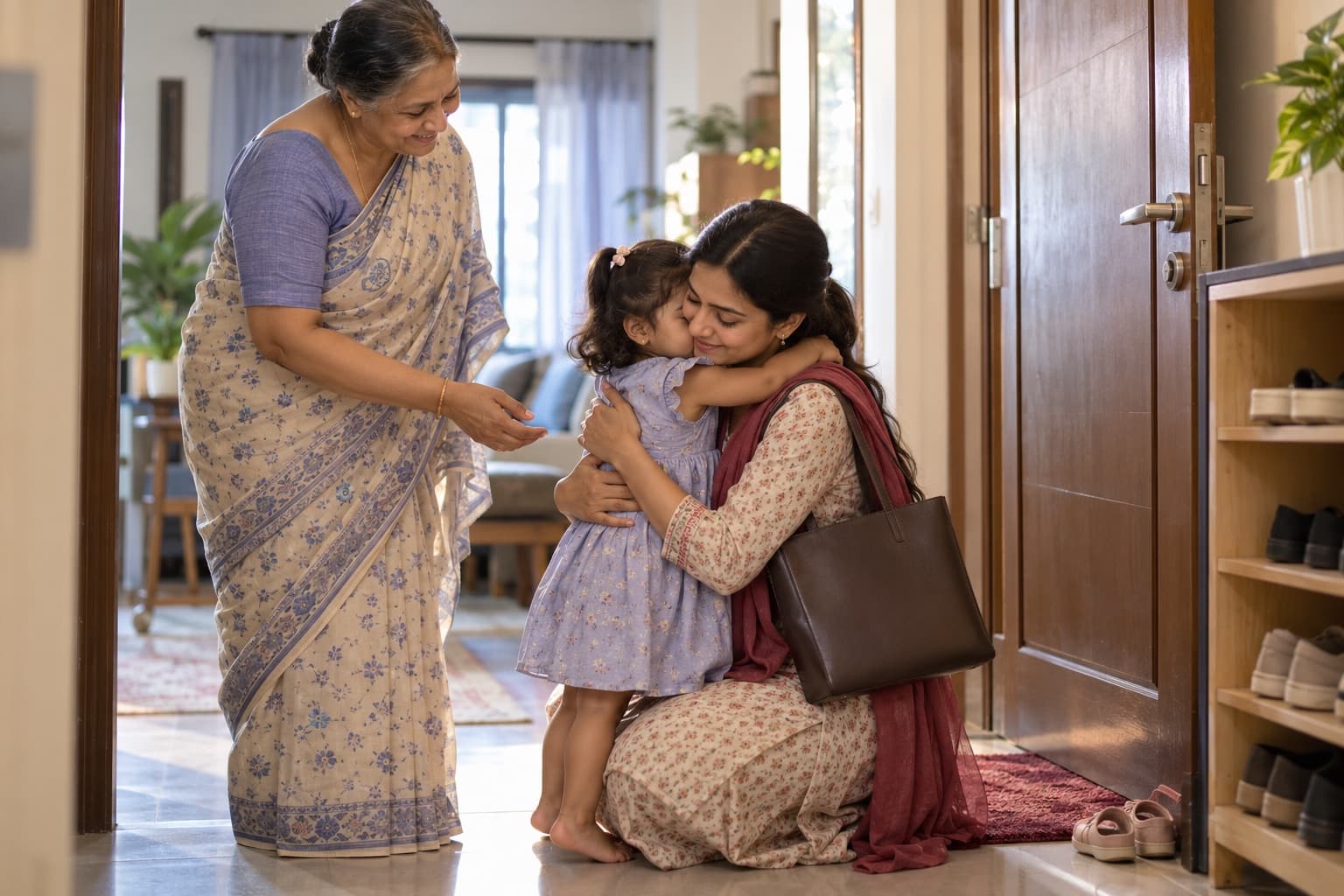
- Greet your older child first, with empty arms: let someone else hold the baby when they walk in.
- Let them set the pace. Looking, touching a foot or walking away are all fine.
- If they want to hold the baby, sit them down and keep your hands under the baby too.
- Some families keep a small gift “from the baby”; praise matters more: “The baby is lucky to have a big sister like you.”
- Keep the first days at home as close to their normal routine as you can.
Regression after a new baby: when your big child acts little again
Regression after a new baby is common: a dry child has accidents, a talker uses baby talk, a child who slept alone wants your bed, or a 4-year-old asks to be fed and carried. It is your child’s way of asking, “Am I still your baby too?”, and it usually fades within a few weeks to a couple of months.
- Let them be little for a while: pick them up when you can, play “baby” together for a few minutes, then enjoy being big together.
- No shame or teasing: avoid “Look, a big girl crying like the baby!”
- Notice big-child moments out loud: “You put your shoes on by yourself!”
- Go back a step with toileting without fuss; see potty training for setbacks.
My toddler hits the baby: what to do and how to keep the baby safe
When jealousy turns into poking, squeezing or hitting, safety comes first. Young children don’t yet have the control to stop themselves when feelings are big, so never leave a toddler or young child alone with a newborn, even for a moment. In the moment:
- Move the baby out of reach, or put yourself between them, calmly.
- Say the limit in a few words, without shouting or hitting back.
- Name the feeling, and give the anger somewhere to go: stamping feet, squeezing a cushion.
- Show gentle touch: stroking the baby’s feet together, softly.
- Later, when calm, give your older child a cuddle and a few minutes alone with you.
What you might say
- I won’t let you hit the baby. Gentle hands.
- You’re really cross. You can stamp your feet or squeeze this cushion.
- Let’s stroke her feet, softly, like this.
- It’s hard sharing Ammu. Come, let’s have a cuddle.
Rough hands at other times are covered in toddler hitting and biting.
When the older child feels left out: one-to-one time and helping
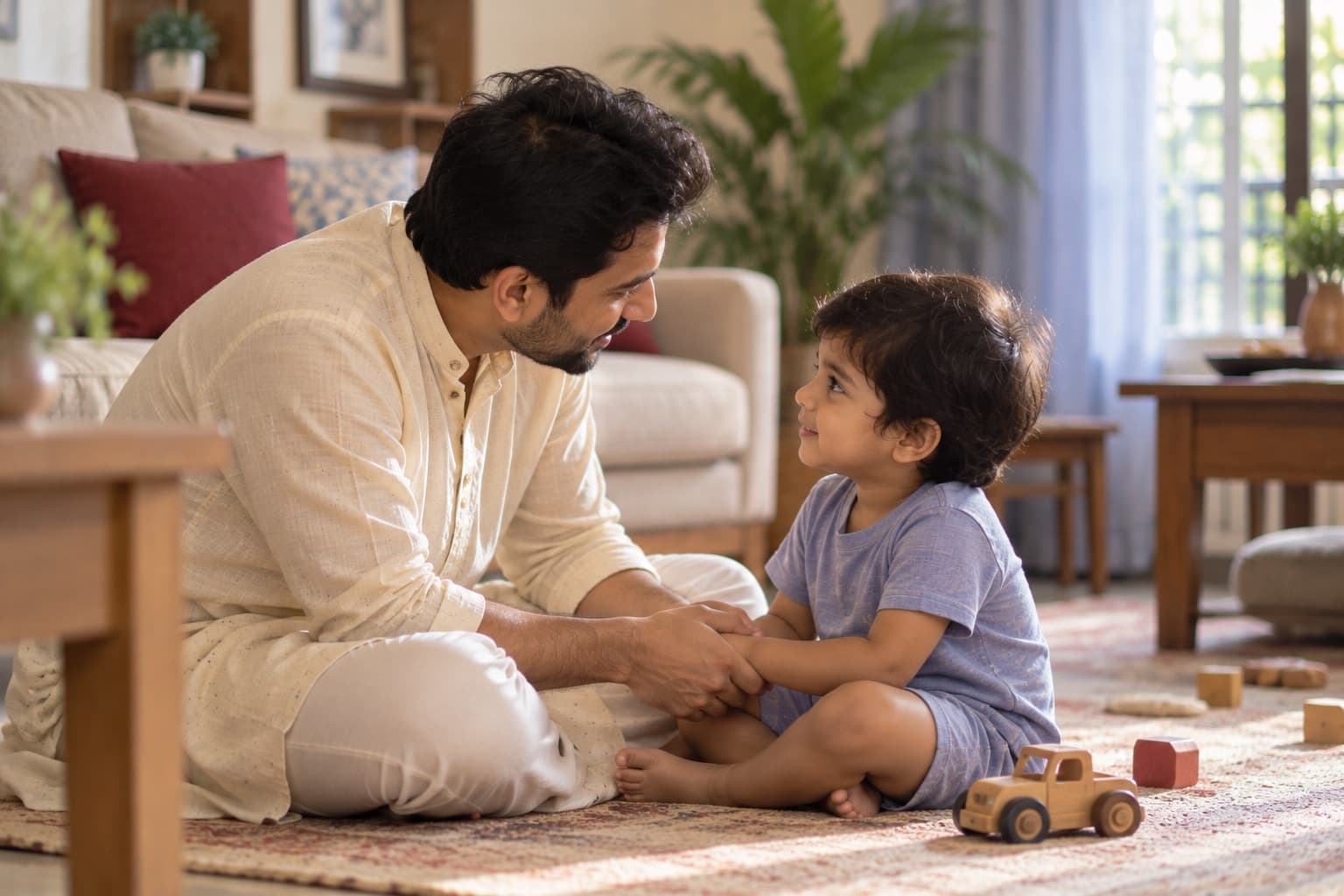
Ten to fifteen minutes a day of one-to-one time, when the baby is asleep or with another adult, tells your older child they still matter. Let them choose the game, put your phone away, and call it by a name: “our time”. If the baby cries, it is fine to say, “Baby can wait a minute,” when someone else is with the baby.
Small jobs help many children feel proud: fetching a nappy, choosing the baby’s clothes, singing to the baby. Keep them optional, and remember the older child is a helper, never a babysitter. Avoid “You’re older, so you give in”; sibling rivalry covers fairness as they grow.
A new baby in a Bangladeshi home: relatives, visitors and nanabari
- The nanabari months: if the mother stays at her parents’ home after the birth, keep the older child with her if you can, or plan regular visits and video calls; a sudden separation from both the mother and home is hard. See separation anxiety.
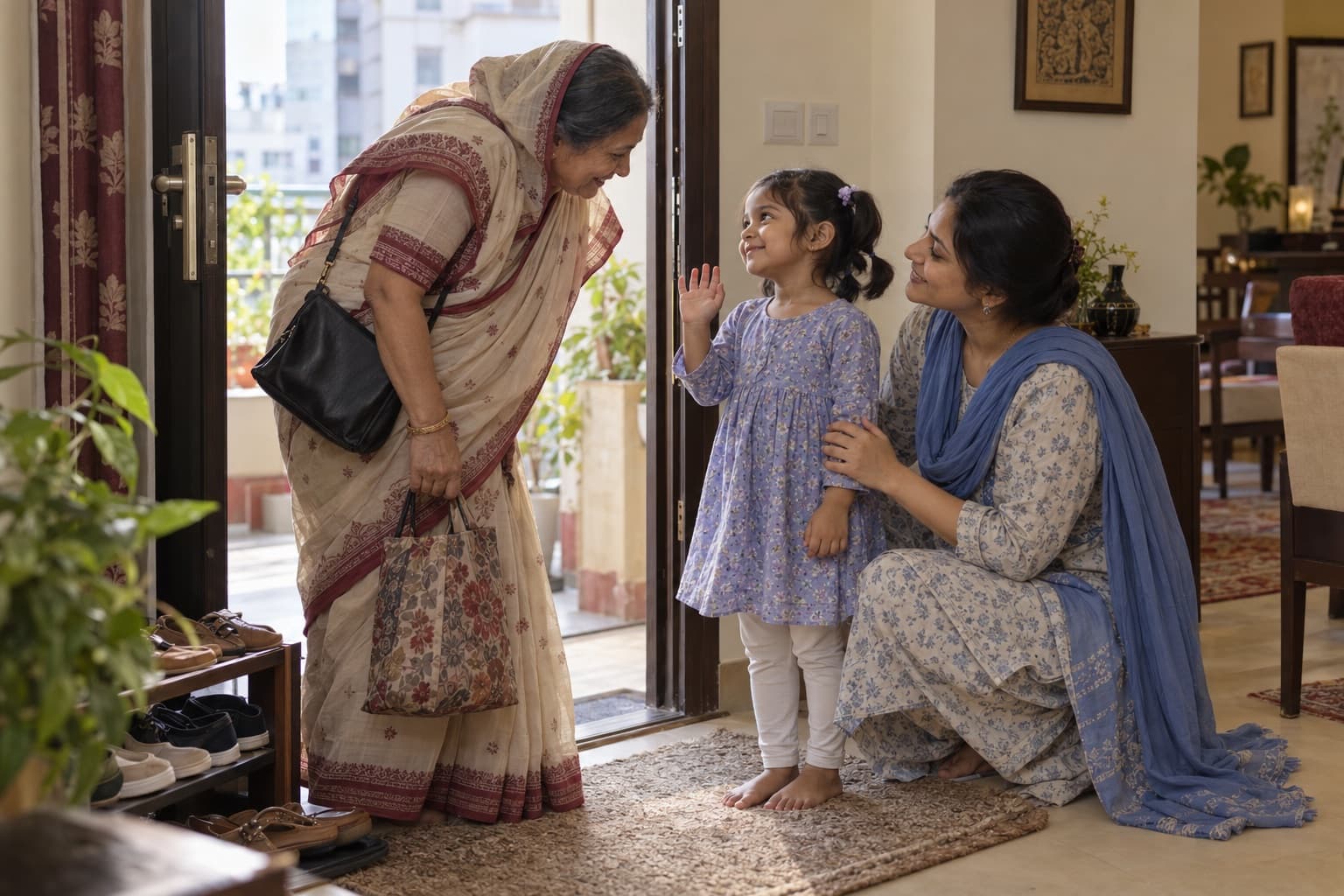
- Visitors and the aqiqah: ask guests to greet the older child before the baby, and keep a few small wrapped gifts ready for them when guests bring presents for the baby.
- Teasing: relatives may joke, “Your love is finished now!” Answer kindly in front of your child: “There’s plenty of love for both,” and ask them privately not to say it again.
- Grandparents and house help: their help with the baby frees you for the older child, rather than handing the older child over to them all day.
- Shared beds: if the older child must leave your bed, make the move weeks before the birth, not on the day the baby comes home. If you bed-share, the baby sleeps beside one parent, never next to the older child.
- Feeding time: keep a basket of books and a snack by your feeding chair, so the older child can sit beside you instead of waiting.
A 7-day plan for the first week with a new baby
The first week matters as much as the preparation. Note one line a day: how your older child seemed, what set off the hard moments and what helped. An older child’s jealousy is easier to read over a week than in one hard evening.
- Day 1: Notice. Change nothing; write down when your older child struggles most.
- Day 2: Choose a daily one-to-one time and tell your child when it is.
- Day 3: Ask visitors to greet your older child first, and keep small gifts ready.
- Day 4: Offer one small helper job and thank them for it.
- Day 5: Set up the feeding basket and the “big kids” shelf.
- Day 6: Let them be little for a few minutes, then notice one big-child moment out loud.
- Day 7: Compare with Day 1. When were the hard moments, and were they shorter? Keep what helped.
When to get help: signs in the older child, and in you
Most older siblings settle within a few months. Talk to your child’s doctor if:
When to get help
- Your child tries to hurt the baby on purpose again and again, such as pressing on the face, pushing or throwing things, despite close supervision. Keep them apart unless an adult is right there.
- Regression is still strong after about three months, or your child loses skills such as talking.
- A child who was dry starts wetting again with thirst, weeing often, tiredness or weight loss: see a doctor the same day.
- Your child seems sad or withdrawn most days for two weeks or more, or stops eating or sleeping well.
- Your child hurts themselves or talks about it: stay calm and stay close. Call 999 if they are in danger now; otherwise speak to a doctor the same day.
- You feel low or unable to cope most days for two weeks or more after the birth: talk to your doctor. If you have thoughts of harming yourself or the baby, speak to a doctor the same day, and call 999 if anyone is in danger now.
The first months with two children are tiring, and progress is easy to miss. ParentMind helps you note what happens each day, see patterns and get guidance. See how ParentMind works.
Questions parents ask
How do I prepare my toddler for a new baby?
Tell them simply and honestly a few months before, closer to the birth for children under 3: babies sleep, cry and drink milk, and can’t play yet. Show their own baby photos, practise gentle holding with a doll, make big changes like a new bed well in advance, and tell them who will look after them during the birth.
Is it normal for an older child to be jealous of a newborn?
Yes, very. Most older children feel some jealousy, because they suddenly share your time and attention. It may show as clinging, tantrums, baby talk or rough touching, and in children over 6 as quiet withdrawal. Daily one-to-one time, naming their feelings and keeping routines steady usually help it ease within a few weeks to a few months.
Why is my child acting like a baby since the new baby arrived?
Acting little again, such as baby talk, wanting a bottle, toilet accidents or asking to be carried, is a common reaction called regression. Your child is checking that they are still loved and looked after. Let them be little for a while without shame, praise big-child moments, and expect it to fade within a few weeks to a couple of months.
What should I do if my toddler hits the new baby?
Calmly move the baby out of reach, say “I won’t let you hit the baby,” and give the anger somewhere to go, like stamping or squeezing a cushion. Show gentle touch, then give your older child a cuddle later. Never leave a toddler alone with a newborn, and talk to a doctor if deliberate hurting keeps happening despite supervision.
How long does it take an older child to adjust to a new baby?
Usually a few weeks to a few months. The first weeks at home are often the hardest, especially for children aged 2–5, and things often ease as routines settle. Feelings can flare up again when the baby starts crawling and grabbing toys. If you are still worried after about three months, talk to your child’s doctor.
How do I handle feeding time when my older child gets jealous?
Make feeding time their time too. Keep a basket of books, a puzzle and a snack by the place you feed, and read or chat with your older child while the baby feeds. Let them sit close beside you. Many children find feeds much easier once they become a cosy routine instead of a time to wait.
This article is general information, not medical advice. For health worries, talk to a doctor; if someone is in danger, contact your local emergency number.