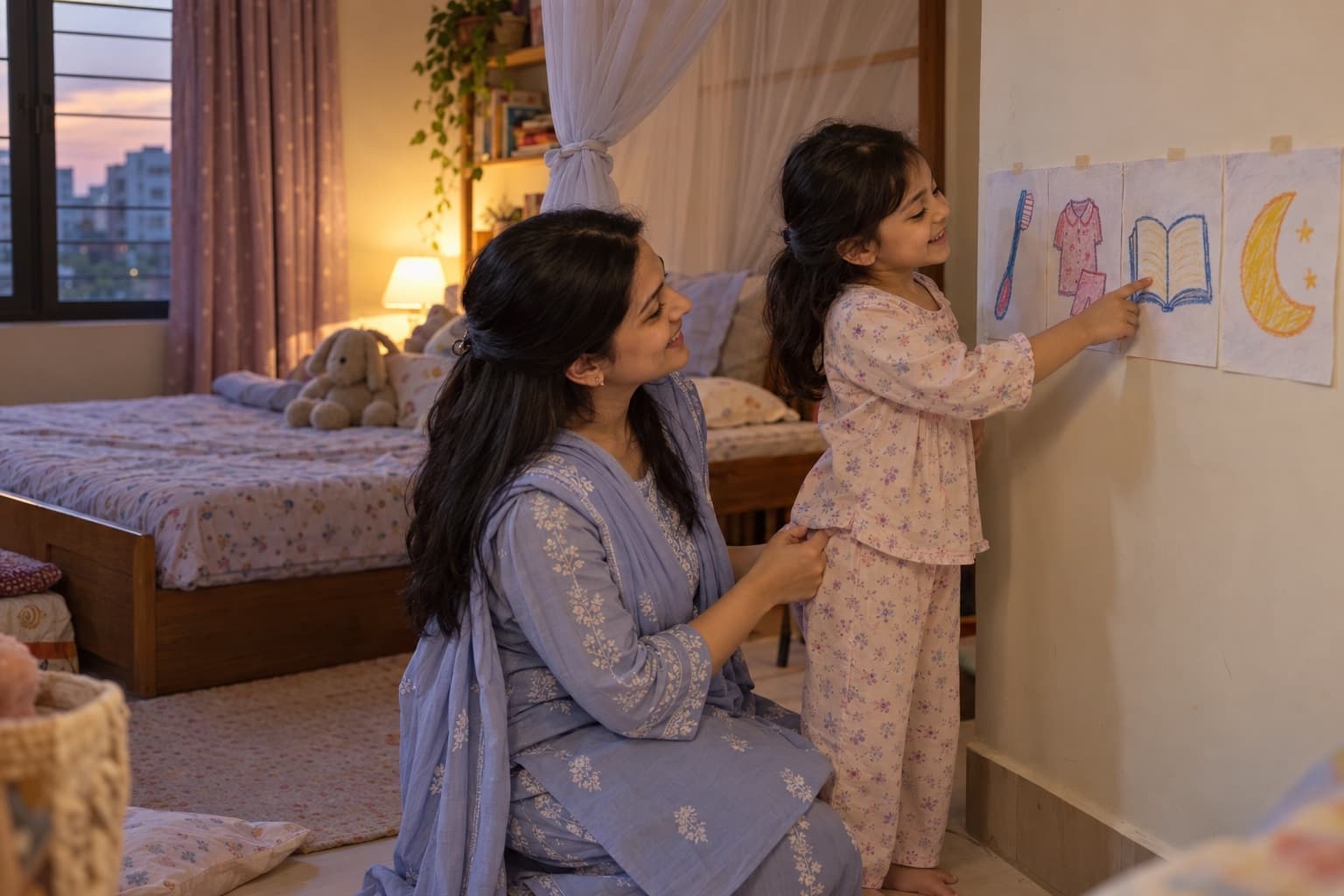
Potty training: when to start, signs of readiness and a gentle plan
Quick answer
Potty training usually goes best when a child shows signs of readiness, not at a set age; most show them between about 18 months and 3 years. Look for dry spells of a couple of hours and noticing a wet nappy. Use regular potty sits and calm praise, and expect accidents. Night dryness often comes much later.
 By the ParentMind team10 min read
Listen to this article
13 min listen · Read by your device's voice
At a glance
- Who it is for
- Parents of children aged about 18 months to 4 years, from the first potty to dry days
- Key takeaways
- Start when your child shows two or three readiness signs, not because of a birthday or a relative's timeline.
- Short, regular potty sits, the same words from everyone and calm praise usually help more than pressure.
- Accidents are part of learning. Clean up calmly, and never shame or punish.
- Talk to a doctor about pain, blood, hard stools that last, or a dry child who starts wetting again with other signs.
Potty training can feel like a test you're being marked on, especially when an elder says all their children were out of nappies (diapers) long before 2. The truth is gentler: children are ready at different ages, and starting when your child is ready usually means a shorter, calmer process with fewer accidents.
Below: when to start and the signs of readiness, a step-by-step plan, what to say, how long it takes, accidents and nights, squat toilets and busy households, a 7-day plan, and when to see a doctor.
When to start potty training: signs your toddler is ready
Readiness is about the body and the mind, not the calendar. Your child may be ready if they:
- Stay dry for about two hours, or wake dry from a nap.
- Poo at roughly the same times each day.
- Notice a wet or dirty nappy, pull at it, or go quiet in a corner to poo.
- Are curious when family members use the toilet.
- Can walk to the potty, sit for a minute or two, and pull trousers down and up with a little help.
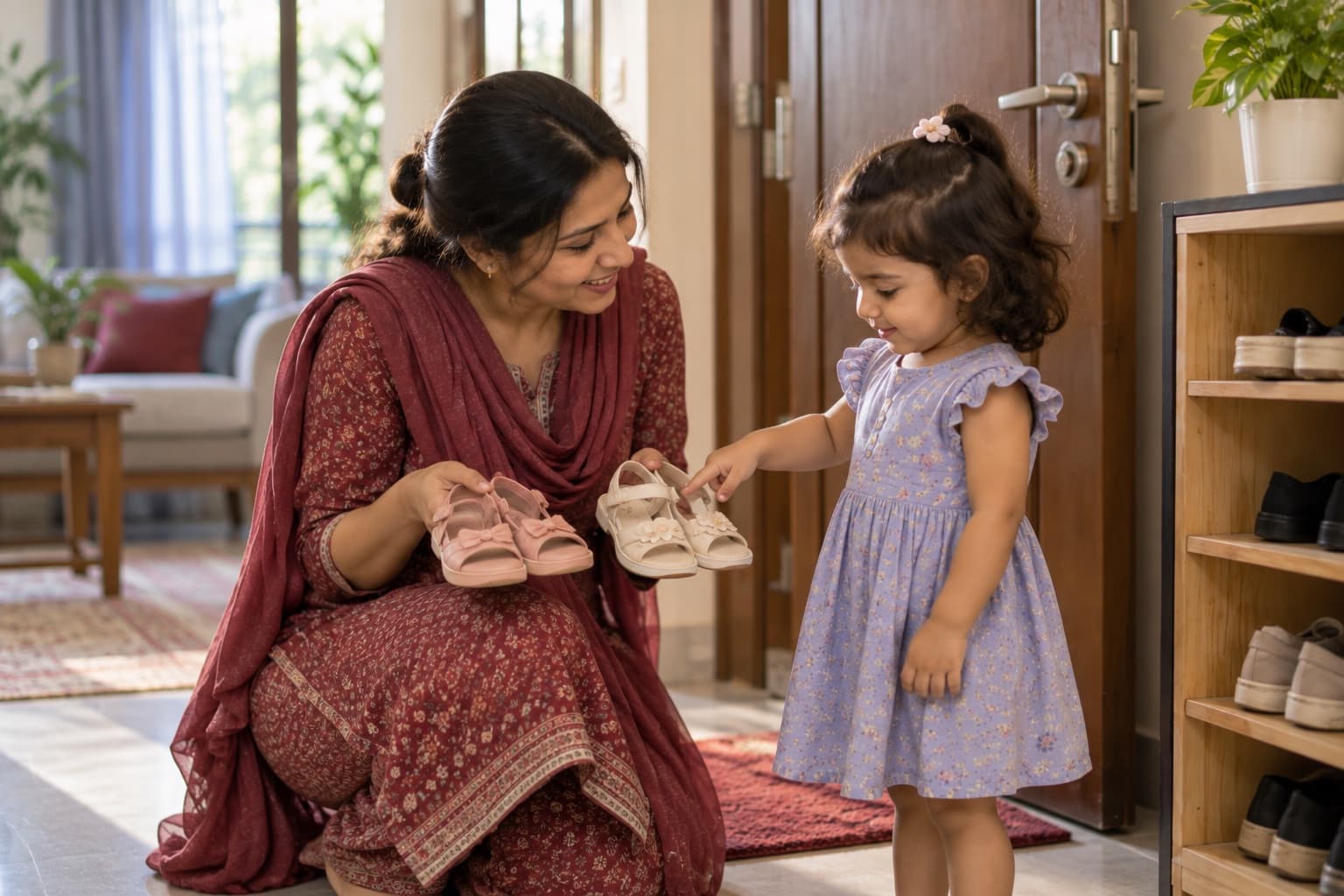
- Follow a simple one-step instruction, like 'Bring your shoes.'
- Have a word, sound or sign for wee and poo.
You don't need every sign; two or three, plus a willing child, is enough to try. Most children show them somewhere between about 18 months and 3 years. The wish to do things alone, a big part of the terrible twos, helps here: let your child pull their own trousers down and flush.
How to potty train, step by step
These steps suit most families, whether you use a potty or a child seat on the toilet:
- Get ready first. Put a potty in the bathroom, let your child sit on it in clothes, and agree on the same words for wee and poo with everyone at home.
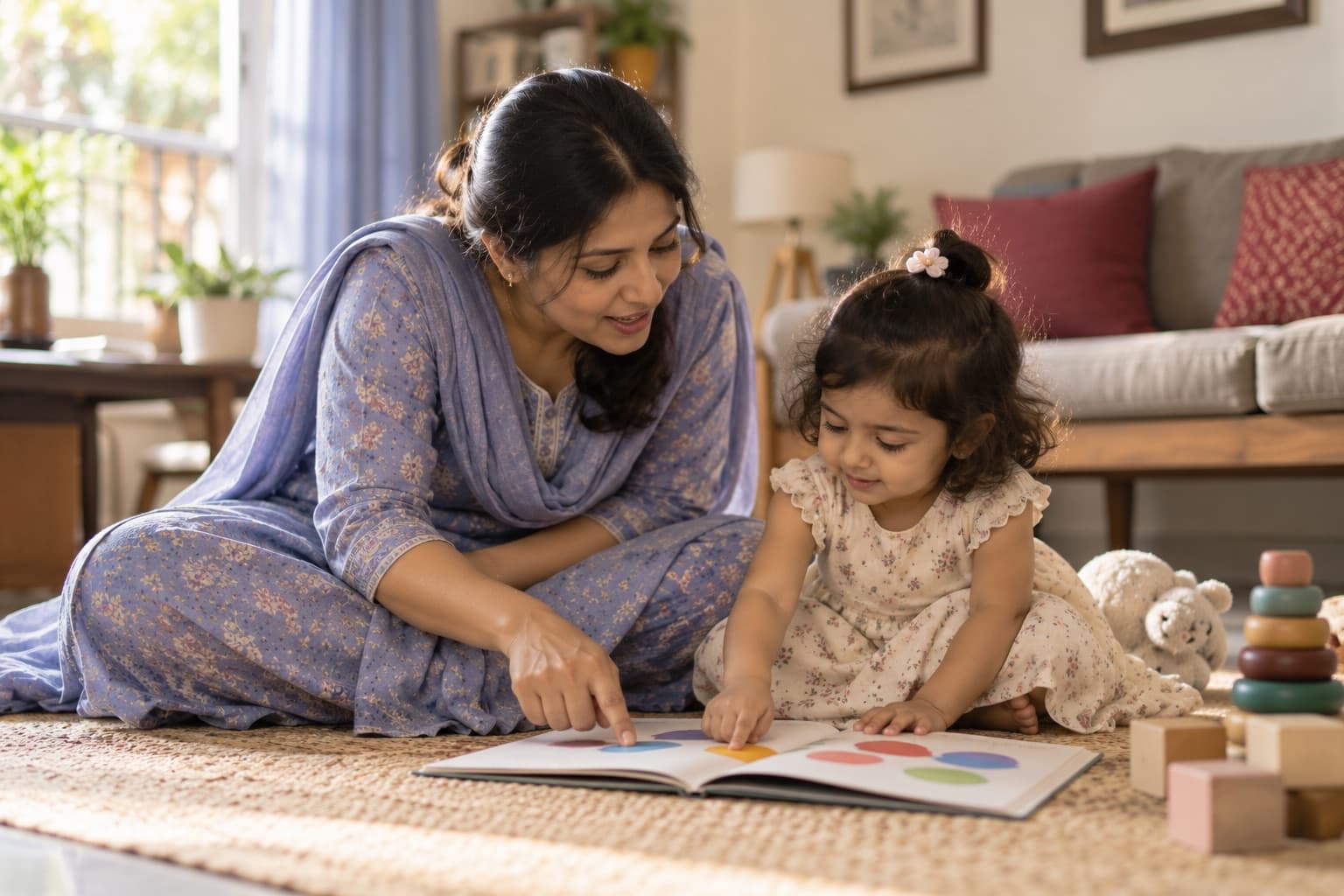
- Show how it's done. If your family is comfortable, let your child see a parent or older sibling use the toilet, and read a picture book about the potty.
- Pick a calm start: not during a move, a new baby, an illness or a long trip.
- Switch to pants at home in the daytime, with easy clothes such as elastic-waist trousers.
- Offer short sits at set times: after waking, after meals, before going out, before the bath and before bed. Two to five minutes is enough.
- Praise the try, not just the result: 'You sat on the potty!' Keep it warm and small; big rewards can add pressure.
- Teach the whole routine: wash or wipe, flush, then wash hands with soap and water, every time.
What you might say
- Wee goes in the potty. Let's try.
- You sat on the potty all by yourself!
- Oops, wet pants. That's okay. Let's change.
- Your body is telling you it's time. Let's go.
- First potty, then we go downstairs.
- Now we wash hands with soap. Rub, rub, rub!
Boys and girls: what's different?
Most of the plan is the same. Many boys learn to sit for both wee and poo first and stand later, often by copying their father or an older brother. Teach girls to wash or wipe from front to back. Boys are often a little later on average, but the difference between any two children is usually bigger.
How long does potty training take?
For most children, being mostly dry in the daytime takes from a few weeks to a few months. Poo often takes longer than wee, and staying dry on outings comes later still. Starting before a child is ready usually makes the whole process longer, not shorter.
Night dryness comes later
Staying dry at night depends on the body maturing as much as on learning, so it often comes months or even years after daytime dryness, and many children still wet the bed sometimes until about 5 or later. Keep a nappy on at night until mornings are dry for a couple of weeks, add a wee to a calm bedtime routine, and don't wake or scold to 'train' it.
What to do about accidents and regression
Accidents are part of learning, not defiance. Clean up together without fuss ('Wee goes in the potty. Let's change.') and never shame, scold or punish, or tell others in front of your child. Shame tends to make children hide wet pants or hold on, which can lead to constipation.
Regression, when a child who was doing well starts having accidents again, is common after a new baby, starting daycare, a move, an illness or a trip. Go back a step: more reminders, more praise, no shame. It usually settles within a few weeks; if it comes with pain or other signs, see the list at the end.
If your child holds in poo
If a poo has ever hurt, a child may hold the next one in, which makes it harder and more painful. Plenty of water, fruit, vegetables and active play usually help keep stools soft; toddler meal ideas has easy ones. If hard stools or holding on last more than a week or two, talk to a doctor.
In a Bangladeshi home: squat toilets, water and grandparents
Potty, squat toilet or high commode
Many homes have a squat toilet, a Western-style high commode, or both. A small potty works anywhere and is often easiest at first; tip it into the toilet afterwards. On a high commode, a child seat and a sturdy step help a small child feel safe. On a squat toilet, hold your child's hands until they're steady, and never leave them alone.
Washing with water, and hand-washing with soap
Most Bangladeshi families clean with water, using a bodna or a hand shower. Make it part of the routine from the first day: front to back, then pat dry. Keep a small mug by the potty, and finish every time with hand-washing with soap, for as long as it takes to sing a short rhyme.
When grandparents want it done early
Many grandparents trained babies very young by holding them over the toilet at the usual times, and they may worry that 2 is late. Their way often worked by catching the timing, and their help is valuable. You might say: 'Amma, can we try waiting for her signs for a month, and all use the same words?' Then ask them to praise the tries too.
House help, journeys and big family events
If a house help looks after your child, walk her through the plan: the words, the sit times, calm clean-ups and hand-washing. For a long bus, launch or train journey to the village, or a wedding or holud, pack spare clothes, a plastic bag, wipes, water and a foldable potty or seat. A pants-style nappy for the journey is fine; go back to pants at home, and expect a few accidents after a big event.
A 7-day plan to get started
Pick one change at a time, note what happens each day, and compare after a week.
- Day 1: Just notice. Note when your child wees and poos, and which readiness signs you see.
- Day 2: Bring in the potty. Sit on it in clothes, read a book, and agree the words with everyone, including any house help.
- Day 3: Pants on at home for the morning, with sits after waking and after breakfast.
- Day 4: Add sits after lunch and before the bath, and practise washing and hand-washing.
- Day 5: Try a short outing: a wee before leaving, spare clothes in the bag.
- Day 6: Look at your notes and move the sit times to match when your child usually goes.
- Day 7: Compare with Day 3: more in the potty, fewer accidents? If it's a struggle every time, pause for two or three weeks and try again.
When to talk to a doctor
Most toileting troubles are part of learning. Talk to your child's doctor if:
Talk to a doctor if
- Weeing or pooing seems to hurt, burns or makes your child cry.
- You see blood in the wee or poo.
- Stools are hard and painful, or your child holds them in, for more than a week or two.
- A child who was dry for months starts wetting again along with unusual thirst, weeing much more often, tiredness, weight loss, fever or pain: see a doctor the same day.
- Your child dribbles or is damp all the time, or still has daytime accidents most days well after age 4.
- Your child is very frightened of the toilet and it isn't easing, or toileting problems come with losing other skills.
ParentMind helps you note potty times, successes and accidents each day, so you can see the pattern and adjust the sit times; see how ParentMind works.
Questions parents ask
What is the best age to start potty training?
There is no single best age: the best time is when your child shows signs of readiness, which for most children is somewhere between about 18 months and 3 years. Starting earlier is possible but usually takes longer and needs more adult effort. If your child is past 3 and shows no interest, mention it at the next check-up.
How do I potty train a child who refuses to sit on the potty?
Take the pressure off. Stop asking for a week or two, let your child sit in clothes with a book or a toy, and let them see family members use the toilet. Some children prefer a child seat on the big toilet, or standing for wee. When you restart, keep sits short and praise any try.
Is it normal for a potty-trained child to keep having accidents?
Yes, for a while. Many children have occasional accidents for months, especially when they're busy playing, tired, unwell or somewhere new. Remind them before outings and after meals, and stay calm. Talk to a doctor if accidents come with pain, very frequent weeing or unusual thirst, or start again after months of being dry along with other changes.
Should I use nappies or pants while potty training?
In the daytime at home, ordinary pants usually help most, because your child feels the wetness and links it to the potty. Pants-style nappies are handy for naps, nights, long journeys and big family events. Switching for outings is fine, as long as home days stay in pants.
When will my child be dry at night?
Usually later than in the day, sometimes much later. Night dryness depends on the body maturing, so many children still wet the bed sometimes until about 5 or later. Keep a nappy on at night until mornings are dry for a couple of weeks, have a wee before bed, and avoid scolding. Mention it at a check-up if night wetting continues well after 5, or starts again after months of dry nights.
This article is general information, not medical advice. For health worries, talk to a doctor; if someone is in danger, contact your local emergency number.