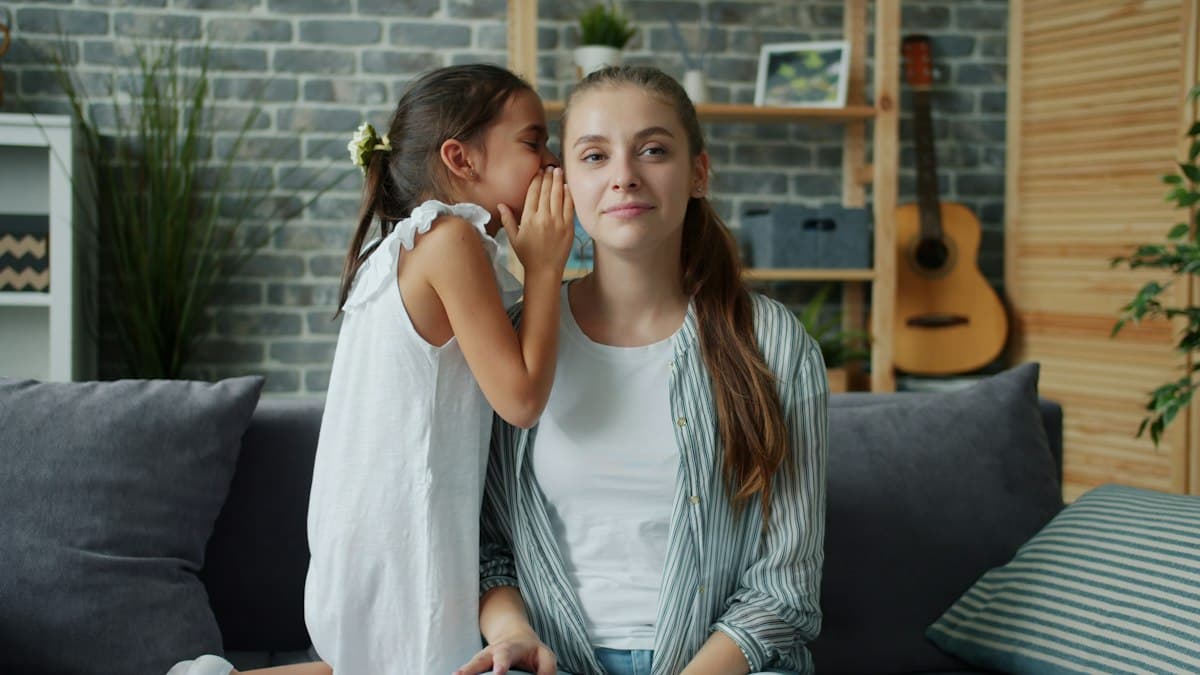
Peer pressure in teens: what to do when you worry about their friends
Quick answer
Peer pressure is the pull teenagers aged 11–18 feel to fit in with friends, and much of it is normal. Worry about drugs, gangs, unexplained money or nights away from home. Know their friends, talk without banning, and practise saying no. Get help the same day for drugs, weapons or violence; call 999 if your teen is in danger now.
 By the ParentMind team12 min read
Listen to this article
17 min listen · Read by your device's voice
At a glance
- Who it is for
- Parents of children aged 11–18 who worry about their teen's friends, late nights out, drugs or gangs
- Key takeaways
- Friends matter more in the teen years, and most peer influence is ordinary: clothes, music, slang and wanting to fit in.
- Banning a friend often pushes the friendship out of sight; knowing the friends and talking calmly usually keeps you closer.
- Teens often cope better with pressure when they have practised ways to say no and know they can text you for a no-questions pickup.
- Drugs, weapons, violence, threats or sudden secrecy with money need help the same day; call 999 if your teen is in danger.
If your teenager has new friends you've never met, comes home later and later, or suddenly guards their phone, you may lie awake worrying about peer pressure and whether they have fallen into bad company.
Some worry is wise, but most teenagers with new friends are doing something normal: growing up and finding where they belong. Friends can pull teens towards good things as well as risky ones, and parents often have more influence than it seems, especially when they stay calm and close.
Below: why friends matter so much now, normal influence versus bad company, how to talk, knowing their friends, ways to say no, the Bangladeshi picture, a 7-day plan and when to act.
What is peer pressure, and why are teens so influenced by friends?
Peer pressure is the pull to do what friends do, or what you think they expect. It can be direct, such as a dare or “everyone's trying it”, or quiet, such as wanting the same phone, slang or haircut. It can also be positive: friends who study hard, play sport or volunteer often pull each other along.
Teen peer pressure feels so strong for a few reasons:
- Belonging: in the teen years, being accepted by friends can feel enormously important.
- A brain still building its brakes: the part that weighs risks keeps developing into the early twenties, while the pull of excitement and approval is strong, especially when friends are watching.
- Independence: pulling away from parents a little is a normal part of growing up, and friends fill the space.
- Unmet needs: a teen who feels lonely, bullied, bored or unheard at home is often more drawn to any group that welcomes them.
Normal peer influence or bad company? Signs to watch
If you fear your teenager is hanging out with the wrong crowd, look for a pattern rather than one bad day. Negative peer influence usually shows as several changes together. This table can help you tell what is ordinary, what needs a closer look and what needs action today.
| What you notice | Usually ordinary | Worth a closer look | Act the same day |
|---|---|---|---|
| Friends | New friends; wants more time with them | Drops all old friends for a group you never meet | Much older friends, a named group or gang, someone giving them money or favours |
| Style and talk | New clothes, music, slang or hairstyle | Lies about where they are or who they are with | Carries a knife or other weapon, or talks about fighting another group |
| Money | Asks for more pocket money | Money or things go missing at home | A new phone, motorbike or cash they can't explain, or someone demanding money from them |
| Time out | Wants to stay out a little later | Often breaks the agreed time; phone switched off | Out overnight without contact, or missing |
| Mood and health | Moody; wants more privacy | Very secretive, angry, grades falling | Signs of drugs, injuries from fights, or talk of hurting themselves |
One item from the middle column is a reason to talk, not to panic. Several together, or anything in the last column, needs action the same day; see the last section. For ordinary teen pushback, see teenage rebellion.
How to talk to a teen about peer pressure without a fight
A lecture usually ends the conversation. A calm, curious talk keeps it going, so that your teen comes to you when something goes wrong.
- Pick a calm moment side by side: a rickshaw ride, a late-night snack, a walk. Not when they walk in late, and not in front of others.
- Start with curiosity, not accusation: “Tell me about your new friends. What do you like about them?”
- Listen more than you talk, and hold back the urge to judge.
- Describe the behaviour that worries you, not the person: “I'm worried about the smoking,” rather than “That boy is trouble.”
- Talk through a few “what if” situations together, so your teen has a plan before the moment comes.
- Agree a few clear rules, such as where they go, how they get home and when they check in, and explain them as safety, not control.
What you might say
- I'm not trying to choose your friends. I just want to know who you're with.
- What would you do if someone offered you a cigarette, or something stronger?
- You can always blame me: “My mother checks everything, I can't.”
- If you ever feel unsafe, call me. I'll come, and we'll talk about it tomorrow, not tonight.
- I trust you. It's the situation I worry about.
How to handle teen friends you don't like, without banning them
Banning a friend outright often pushes the friendship out of sight, and makes that friend more exciting. Unless there is real danger, getting closer usually works better than cutting off.
- Make your home the easy place to be: invite friends over, feed them well and stay in the next room, not in the middle.
- Know their names, and keep a number for each close friend's parent. A friendly message between parents is ordinary, not spying.
- Offer lifts. A few minutes in the car or on a rickshaw with their friends tells you a lot.
- Ask what your teen likes about the friend you worry about. The answer often shows what they are looking for: fun, belonging or respect.
- Widen the circle with activities where good friendships grow: sport, debate, art, volunteering or a club.
- Agree openly what you may check on their phone and why; secret checking usually breaks trust. See group chats and online friends.
- When there is real danger, such as drugs, weapons or a gang, it is right to limit contact firmly, explain why, and get help.
How can teens say no? Simple lines and an exit-text plan
Saying no in front of friends is hard at any age. Teens find it easier when they have practised the words beforehand and know there is a way out.
- A simple no, repeated if needed: “No thanks, I'm fine.” No long reasons are needed.
- Blame the parent: “My father will check, I can't.” Many teens find this the easiest way out.
- Suggest something else: “Let's get chotpoti instead.”
- Bring a friend: agree with one good friend that you will both say no and leave together.
- Walk away: leaving is allowed, and a real friend will still be a friend tomorrow.
How the exit text works
- Agree a code with your teen: a single letter such as X, or an ordinary line like “Is Nanu feeling better?”
- When your teen sends it, call straight away with a reason they must come home: “Nanu wants you home now.”
- You, or a trusted adult, collect them, or you arrange a safe ride home.
- No questions and no punishment that night. Talk calmly the next day about what happened and what helped.
The plan only works if you keep the promise: a teen who is scolded after sending the exit text may not send it again. Pressure online, such as dares, requests for photos or group chats with strangers, needs the same skills; see online safety and cyberbullying.
In a Bangladeshi home: teen gangs, coaching and late nights
Many parents in Bangladesh worry about kishor gangs: groups of teenagers in a neighbourhood, sometimes with a name and an online page, sometimes backed by older local “big brothers”. News of fights, harassment and drugs makes the fear real. Gangs can draw in teens from any kind of family, often by offering belonging, protection, money or excitement.
- Coaching and tuition mean many teens are out in the evening. Know the schedule and the route, and agree a message when they leave and when they arrive.
- Adda at the tea stall or the street corner is part of life for many teens. Ask where they hang out, and say yes to some evenings with a clear time home.
- Watch the money. Large pocket money with no questions, or cash and gifts from older “big brothers”, can be a way in. Keep pocket money reasonable and ask where extra money comes from.
- Cigarettes, vapes and drugs such as yaba may be offered to teens. Talk about them early and plainly, before anyone offers.
- Sons and daughters both need these talks. Many families give boys more freedom outside and girls less, but pressure can reach both, online and off, and both need the same skills and the same exit text.
- Harsh responses often backfire. Beating, locking a teen in or taking the phone away for good tends to push them closer to the group and further from you.
For rules, time home and freedom at this age, see how to parent a teenager.
A 7-day plan when you're worried about your teen's friends
Write one line each day: what you noticed, what you talked about and how your teen responded. After a week, you can usually see whether things are calming down or becoming more worrying.
- Day 1: change nothing. Note what worries you, and check it against the table above.
- Day 2: find a side-by-side moment and ask about their friends with curiosity, not a string of questions.
- Day 3: invite one or two friends over, or offer a lift, and get to know them a little.
- Day 4: agree two or three rules together: where they go, how they get home and when they check in.
- Day 5: practise ways to say no through a “what if” chat, and agree an exit text.
- Day 6: plan something your teen enjoys, with you or with friends you know, such as a game, a meal out or a sport.
- Day 7: read your notes. Are check-ins happening, and are talks easier? If any sign from the last column of the table has appeared, get help the same day.
When peer pressure turns dangerous: get help the same day
Some signs go beyond ordinary worries about friends. Stay calm, keep your teen close, and get help from a doctor or counsellor the same day if you see any of these:
Act the same day if
- Signs of drugs: red eyes, a strange smell, burnt foil, lighters, pills or powders, sleeping all day or awake all night, or money and things going missing. If your teen is hard to wake, confused or breathing oddly, call 999.
- A knife or other weapon, injuries from fights, or talk of fighting another group. Call 999 if anyone is in danger now.
- Sudden secrecy with money: cash, a phone or gifts they can't explain, or someone demanding money or favours from them.
- Someone is threatening or blackmailing your teen, in person or online: believe them and act the same day. Don't pay or send anything, never copy or forward a private photo, block and report the account, and report it to your local police station (thana). Call 999 if they are in danger now.
- Staying out overnight without contact, or going missing. If you cannot reach your teen and fear for their safety, call 999.
- Your teen talks about hurting themselves or not wanting to live: stay calm and close, call 999 if they are in danger now, otherwise speak to a doctor the same day.
It is easier to stay calm when you can see whether things are getting better or worse. ParentMind helps you note what happens each day, see patterns and get guidance: how ParentMind works.
Questions parents ask
What are the signs of negative peer influence in teenagers?
Look for a pattern rather than one change: dropping old friends for a group you never meet, lying about where they are, money going missing, breaking the agreed time home and new secrecy. Signs of drugs, weapons, injuries or threats need help the same day. One change on its own is usually a reason to talk, not to panic.
Should I stop my teenager from seeing a friend I don't like?
Usually not, unless there is real danger. Banning a friend often pushes the friendship into secret. Instead, invite the friend home, get to know them, ask what your teen likes about them and talk about the specific behaviour that worries you. If the friend brings drugs, weapons or gang contact, limit contact firmly and get help.
How do I know if my child is in a gang?
Teen gang warning signs include a new group name, hand signs or an online page, much older friends or local “big brothers”, unexplained money, a phone or a motorbike, late nights, injuries, talk of fights, carrying a knife and sudden secrecy. If you see several, talk to your teen calmly and get help the same day; call 999 if anyone is in danger now.
Is peer pressure always bad?
No. Positive peer pressure is real: friends who study, play sport, volunteer or try new things often pull each other along. The aim is not to keep your teen away from friends, but to help them choose friends who bring out their best, and to say no when a group pushes them towards harm.
At what age is peer pressure strongest?
Often in the early and middle teens, roughly 12 to 16, when fitting in feels most important and the brain's brakes are still developing. It usually eases in the late teens as young people grow more sure of themselves. Talks about friends, risks and saying no are most useful before and during these years.
My teenager wants to stay out late with friends. What should I do?
Agree a clear time home together, based on their age, the place and how they will get back, and ask for a message when they leave and arrive. Know who they are with. Say yes to some evenings so the rules feel fair. If they often break the agreement or switch off their phone, tighten the rules calmly and explain why.
How can I help my teen say no to friends?
Practise before the moment comes. Give your teen a few short lines, such as “No thanks, I'm fine” or “My father will check, I can't”, talk through “what if” situations and agree an exit text. Promise to collect them with no questions that night. Teens who have a plan often find it easier to walk away.
This article is general information, not medical advice. For health worries, talk to a doctor; if someone is in danger, contact your local emergency number.