My teenager won't talk to me: how to reconnect without nagging
Quick answer
A teenager who won't talk to you is usually doing something normal: pulling back to build their own life, not rejecting you. Talk side by side, in the car, on a rickshaw or while cooking; listen more than you advise; respect privacy; repair after fights. Get help if they withdraw for two weeks, stop eating or sleeping, or mention self-harm.
 By the ParentMind team11 min read
Listen to this article
15 min listen · Read by your device's voice
At a glance
- Who it is for
- Parents of teenagers aged 13–18 who answer in one word, stay behind a closed door or have stopped sharing
- Key takeaways
- Pulling back from parents is a normal part of growing up; most teens still want a parent close, on their own terms.
- Side-by-side moments, such as rides, cooking or late tea, often open more talk than face-to-face questions.
- Listening without lecturing, and keeping their privacy, makes it safer for a teen to come to you when it matters.
- Withdrawal from everyone for two weeks or more, changes in eating or sleep, or any talk of self-harm need more help.
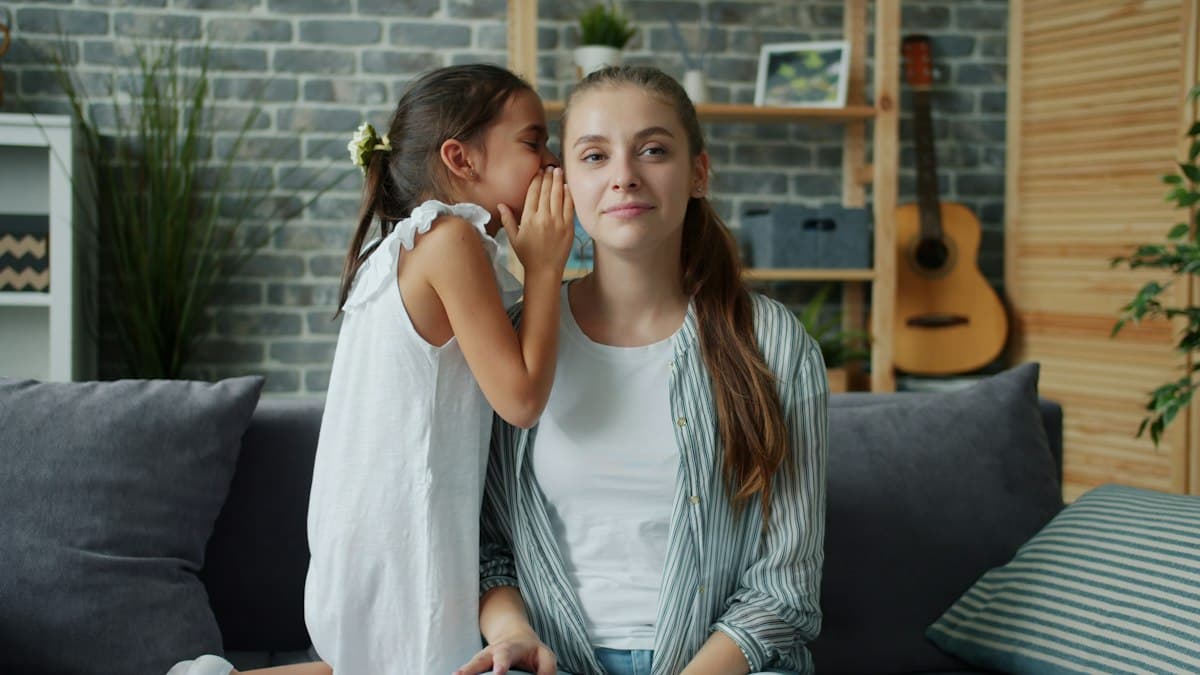
“My teenager won't talk to me” is one of the loneliest things a parent can feel. The child who used to tell you everything now answers in one word, lives behind a closed door and only seems to come alive on the phone with friends.
In most families this is a normal stage, not a sign the relationship is lost. Teenagers pull back to work out who they are, and many still want a parent nearby, on their own terms. Below: why teens go quiet, how to talk so they open up, what shuts them down, privacy, what to say after a fight, a Bangladeshi home, a 7-day plan and when to worry. For a younger child who answers everything with “fine”, see when “fine” is the answer; for the teen years as a whole, see parenting a teenager.
My teenager won't talk to me: is it normal?
Usually, yes. Between about 13 and 18, friends matter more, privacy matters a lot, and talking to parents can feel babyish or risky. Common reasons a teen goes quiet:
- Growing independence: keeping some things private is part of becoming an adult.
- Fear of the lecture: if past talks turned into advice, scolding or worry, silence feels safer.
- Fear of consequences: “If I tell, I'll lose my phone or be stopped from going out.”
- Tired and overloaded: school, coaching and exams leave little energy for talk.
- Feelings they can't name yet, such as embarrassment, a crush, a falling-out or worries about their body.
- Something is wrong: bullying, trouble online, low mood or pressure from someone. This is why the warning signs below matter.
| Area | Usually normal | Worth acting on |
|---|---|---|
| Talking | Short answers with parents, long chats with friends | Stops talking to everyone, friends included |
| Time alone | Door closed for hours, but still joins some meals | Hides in the room almost all the time, for weeks |
| Mood | Moody days that pass | Low, hopeless or irritable most days for two weeks or more |
| Daily life | Still goes to school, eats and sleeps roughly as usual | Has stopped eating or sleeping properly, or refuses school |
| Interests | New interests, a few old ones dropped | Lost interest in almost everything they used to enjoy |
How to talk to teenagers so they open up
Teenagers tend to talk when the pressure is low and the listener is calm. Sitting side by side, with something else to look at, often works better than a face-to-face “we need to talk”:
- Go side by side: talk in the car, on a rickshaw, walking to the shop, cooking together or folding clothes. No eye contact is needed, and the ride has a natural end.
- Be around at their talking times: many teens open up late at night or straight after school. A cup of tea at 10 pm can do what a planned talk cannot.
- Start with their world: a song, a game, a friend's drama or a cricket match, before anything about marks.
- Ask fewer, better questions: “What was the worst part of today?” instead of “How was school?”
- Listen without fixing: nod, say “That sounds hard,” and leave silences. Before giving advice, ask: “Do you want ideas, or do you just want me to listen?”
- Stay calm when you hear something hard. Your face in that moment decides whether they tell you the next thing.
- Share a little of your own day, including mistakes. Talk tends to flow both ways.
What you might say
- No need to talk. I just wanted your company on the way to Nanu's.
- That sounds really hard. Tell me more?
- Do you want my advice, or do you just want me to listen?
- Thank you for telling me. I'm not angry. I'm glad you came to me.
- You don't have to tell me everything. Just know you can tell me anything.
Teen shuts me out: what closes the door, and what to try instead
Most parents shut talk down by accident, out of love and worry. Small swaps often reopen it:
| Instead of | Try |
|---|---|
| Turning every chat into advice or a lecture | Listening to the end, then asking if they want ideas |
| Interrogating: who, where, why, what time | One easy question, side by side |
| Reacting with shock, anger or tears | A calm “Thank you for telling me”, then time to think |
| Bringing up past mistakes | Talking only about now |
| Telling relatives what they shared | Keeping their confidences, unless safety is at risk |
| Mocking their music, friends or looks | Curiosity: “What do you like about it?” |
| Taking the phone away because they were honest | Solving the problem together |
Teenager slams the door? Let the moment pass. Say “I'll check on you in a bit,” and come back later with a snack instead of a lecture.
Teenager hiding things from parents? Privacy, secrets and trust
Teenagers need some privacy to grow up, and most of what they keep to themselves is ordinary: crushes, friend drama, embarrassment. Respecting it usually makes them share more, not less. Safety is the line.
- Knock before entering, and don't read diaries or messages in secret; once found out, secret checking can break trust for a long time.
- If you are worried about safety online, agree openly what you will check and when; group chats and online friends helps with that conversation.
- Ask about safety, not every detail: where they are, who with and how they will get home.
- Make one promise: if they are ever in trouble or danger, they can call you and you will come, with no lecture that night.
- If you suspect something serious, such as drugs, self-harm, abuse or someone pressuring them online, ask directly and calmly. Believe what they tell you and act the same day.
What to say to your teenager after a fight
Fights happen in every family with a teenager. What happens afterwards matters more: a calm repair tells your teen the relationship is safe, even when you disagree.
- Give it time: wait until you are both calm, often an hour later or the next morning.
- Go to them, briefly, and own your part without a “but”: “I shouted. That wasn't fair.”
- Say the relationship is okay: “I love you. We're okay, even though we disagree.”
- Come back to the issue later, side by side, and hear their side first.
- If they don't respond, don't push. Repair is an offer; leave the door open and try again tomorrow.
Words for after a fight
- I was louder than I needed to be. I'm sorry.
- I still don't agree, but I want to understand your side.
- We're okay. Nothing you said changes how much I love you.
- I'll leave you alone for now. I'm here when you're ready.
Hitting, insults or shaming in front of others tend to push teens further away; teenage rebellion covers rules and consequences that work without them.
A quiet teen in a Bangladeshi home: elders, shared rooms and exams
- “Beyadob” or just quiet? In many families, questioning elders is seen as disrespect, so some teens go silent instead of disagreeing. Let your teen disagree politely at home, and they are more likely to keep talking.
- Shared rooms: a teen who shares a room with siblings or grandparents may have nowhere to talk privately. Talks often go better outside: on the rooftop with you, on a walk, on the way to coaching.
- Relatives: if what your teen shares turns up in conversations with aunts or cousins, they often stop sharing. Keep their confidences.
- Exam years: in SSC and HSC years, almost every conversation can become about studying. Keep some talk that has nothing to do with marks.
- Fathers: in many homes the father is told the least. A regular father-and-teen routine, such as tea, a walk or watching a match together, can change that over time.
- One parent as the punisher: “Wait till your father comes home” teaches a teen to go quiet with that parent. Agree the rules together; see two parents, one plan.
A 7-day plan to reconnect with a teen who won't talk
If “my teenager won't talk to me” has become a daily thought, start small. Note one line a day: when your teen talked, even a little, where you were and what you were doing.
- Day 1: change nothing. Just notice when your teen talks most: the time, the place, who was there.
- Day 2: drop one habit that shuts talk down, such as questions at the door or advice no one asked for.
- Day 3: create one side-by-side moment: a ride, cooking, a walk to the shop. No agenda.
- Day 4: ask about their world, such as a song, a game or a friend, and listen to the end.
- Day 5: share something small about your own day, including a mistake.
- Day 6: if there was a fight this week, repair it; if not, tell your teen one specific thing you appreciate about them.
- Day 7: compare with Day 1. Did they talk a little more, or more easily? Keep the moments that worked.
Reconnection is usually slow: a few more words this week is real progress.
When does a quiet teenager need more help?
Silence with parents is often normal; withdrawal from everyone, or changes in daily life, are different. Talk to your teen's doctor, a counsellor or the school if you notice any of these:
Get help if
- Withdrawn from family and friends, alone most of the time, for two weeks or more.
- Has stopped eating or sleeping properly, or shows a big change in weight or sleep.
- Low, hopeless or very irritable most days for two weeks or more, or talks of being a burden.
- Refusing school, or marks falling sharply, along with the silence.
- Your teen hurts themselves or talks about it, or says they don't want to live: stay calm and stay close. Call 999 if they are in danger now; otherwise speak to a doctor the same day.
- A sudden change with secrecy, fear of a person, unexplained money or gifts, or someone threatening them online: believe what they tell you, act the same day, and call 999 if they are in danger now.
When “my teenager won't talk to me” is the worry, small changes are easy to miss day to day. ParentMind helps you note what happens each day, see patterns and get guidance: how ParentMind works.
Questions parents ask
Why won't my teenager talk to me?
Usually because pulling back is part of growing up: friends and privacy matter more, and talking to parents can feel risky. Many teens also go quiet if past talks turned into lectures, or if they fear losing their phone or freedom. Sometimes silence hides a problem, such as bullying or low mood, so watch for the warning signs.
How do I talk to a teenager who doesn't want to talk?
Lower the pressure. Talk side by side, in the car, on a rickshaw or while cooking, at the times they tend to open up, often late at night. Start with their interests, ask one easy question and listen without fixing. Keep showing up even when the answers are short; many teens talk more once they trust that you will stay calm.
My teen only answers yes or no. What can I do?
Ask questions that invite an opinion or a story rather than a report: “What was the funniest thing today?” or “What do you think about…?” Share a little of your own day first, and accept short answers without sighing. Choose relaxed moments, not the minute they walk in. One-word answers often grow longer when the questions feel less like a test.
Should I give my teenager space or keep trying?
Both. Give space in the moment, especially after a fight or a long day, but don't wait for your teen to come to you. Keep offering small, easy invitations: a ride, a snack, a show you both like. Teens often pull back and then check that you are still there. Steady, low-pressure presence usually matters more than any big talk.
Is it normal for a teenager to stay in their room all the time?
Often, yes, as long as they still go to school, eat, sleep, see friends and join the family sometimes. Teens need time alone, especially in a busy home. Worry if they hide away almost all the time for two weeks or more, stop eating or sleeping properly, lose interest in everything, or seem hopeless. Then talk to a doctor.
What should I do if my teen is hiding something?
Stay calm and ask directly but gently, at a quiet moment: “I've noticed you seem worried. Is something going on?” Most secrets are ordinary, but if you suspect danger, such as drugs, self-harm, abuse or online threats, don't let it go: believe what they tell you, act the same day, and call 999 if they are in danger now.
This article is general information, not medical advice. For health worries, talk to a doctor; if someone is in danger, contact your local emergency number.