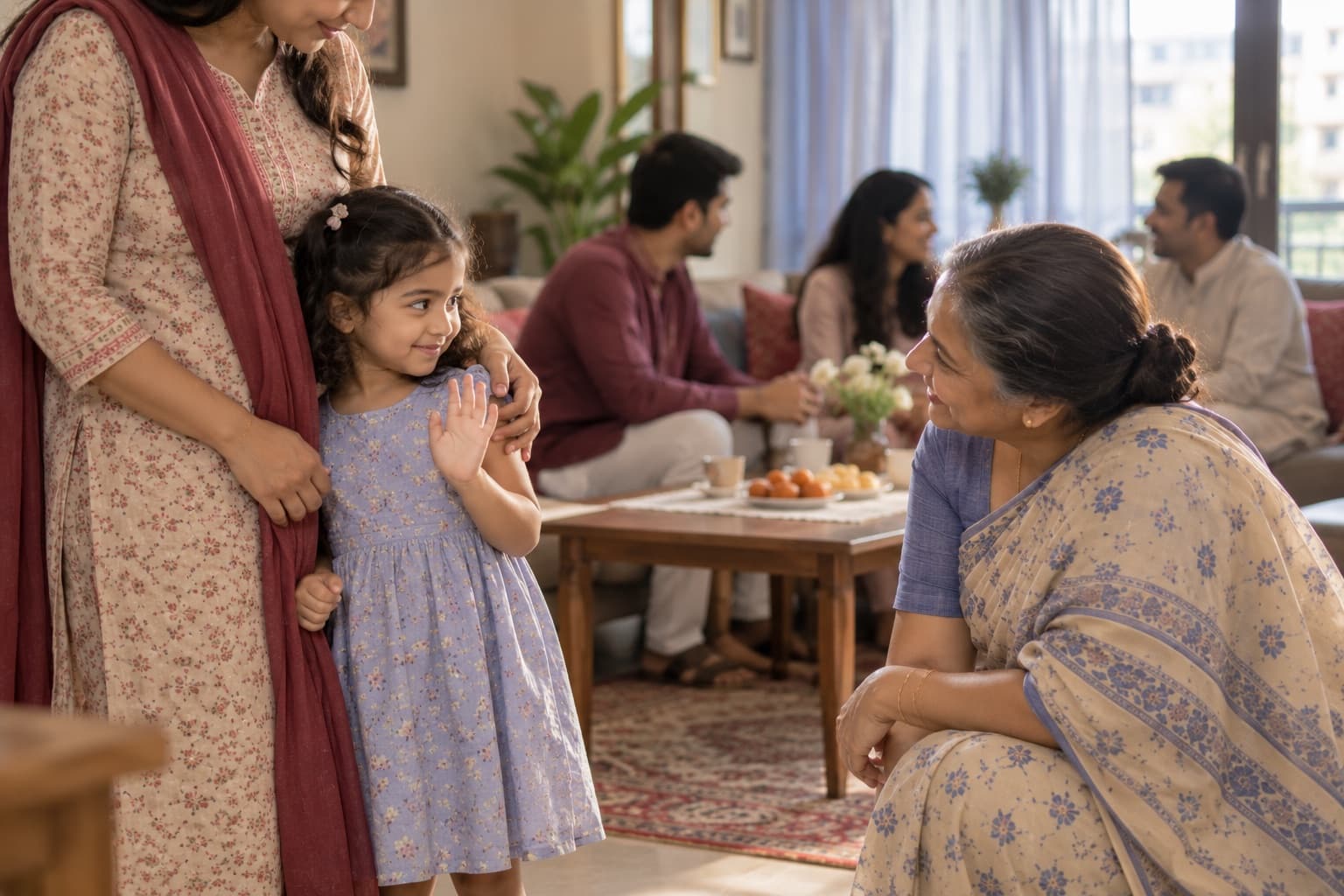
Child cries easily over small things? How to help a sensitive child
Quick answer
When a child cries easily, it usually means a sensitive temperament, not weakness or manipulation, and it is common at 4–10. Tiredness, hunger and feeling criticised make tears more likely. Stay close, name the feeling, let the crying pass, then solve the problem together. Crying most days with low mood for two weeks or more needs a closer look.
 By the ParentMind team12 min read
Listen to this article
15 min listen · Read by your device's voice
At a glance
- Who it is for
- Parents of children aged 4–10 who cry over small things, when scolded, or at the end of every game
- Key takeaways
- Many children who cry easily are simply sensitive: they feel things deeply and notice a lot, which is also where their kindness comes from.
- Check the basics first: a tired or hungry child cries far more easily, especially after school and coaching.
- In the moment, stay close, name the feeling, let the tears pass, and solve the problem once your child is calm.
- Every child, boys included, needs permission to cry and help to cope; 'Stop crying' and 'Boys don't cry' usually make feelings harder to handle.
Your child cries easily: over a broken biscuit, a lost game of ludo, a sharp word or a sad cartoon. It can be exhausting, and you may worry they'll be teased or won't cope at school. For many children aged 4–10, frequent tears are a sign of a sensitive temperament and of feelings that are still bigger than their coping skills, not of weakness, and most cry less as those skills grow.
Below: why some children cry over everything, what is typical by age, how to tell a sensitive child from one who needs more help, what to do and say in the moment, crying when scolded, coping skills, 'boys don't cry', and a 7-day plan.
Why does my child cry over everything?
Children who cry easily usually have more than one thing going on at once. The most common reasons:
- Temperament. Some children are born feeling things more deeply. They notice small changes, other people's moods and unfairness, and they react strongly.
- Tiredness. A child short of sleep has less in reserve for small upsets. Children aged 3–5 need 10–13 hours of sleep in 24 hours and 6–12-year-olds 9–12 hours; see how much sleep children need.
- Hunger. A long gap between tiffin and lunch, or between school and dinner, makes tears come faster.
- Feelings bigger than words. A child who can't yet say 'I'm disappointed' or 'That felt unfair' often cries instead.
- Feeling criticised. Sensitive children often hear a correction as 'You're bad', so a scolding can bring instant tears.
- Changes and disappointments: plans that change, losing a game, a friend who plays with someone else.
- Something underneath. A worry about school, a new baby, a move or trouble with friends can show up as tears about small things.
- What crying brings. If tears always end a task or win a yes, crying can become a habit. That is learning, not manipulation, and steady responses can change it.
Is it normal for a child to cry this much? Crying from 4 to 10
For many children, yes. Crying is a normal way to release a feeling, and it changes as children grow. A rough guide:
| Age | What is common | What helps |
|---|---|---|
| 4–5 years | Tears at a no, at losing, when tired or when plans change; usually over within minutes | Comfort, a few simple words for the feeling, a snack or a rest |
| 6–7 years | Tears at criticism, unfairness, schoolwork that feels too hard, or being left out | Naming the feeling, practising losing in games, breaking hard work into small steps |
| 8–10 years | Fewer tears in public, more at home after school; upset about friends, teasing or marks; embarrassed about crying | Private comfort, listening without fixing, coping plans they choose themselves |
If your 8 year old cries easily, that is still usually within the normal range, especially when they are tired or something is worrying them. What matters most is the trend: tears that slowly ease are reassuring, while tears that keep growing, or come with a low mood, are worth a closer look.
Is my child a highly sensitive child?
'Highly sensitive child' describes a temperament, not a diagnosis. A sensitive child often:
- Notices small details, changes in routine and other people's moods.
- Feels strongly about fairness, criticism and other people's sadness, even a cartoon character's.
- Is bothered by loud noise, crowds, scratchy clothes or very busy days.
- Needs time to warm up to new people and places.
- Is often kind, thoughtful and quick to notice when someone is upset.
Sensitivity is not something to fix. The goal is not a child who never cries, but one who can feel deeply and still bounce back. If shyness with new people is the bigger worry, see how to help a shy child.
What to do when your child cries easily: 6 steps for the moment
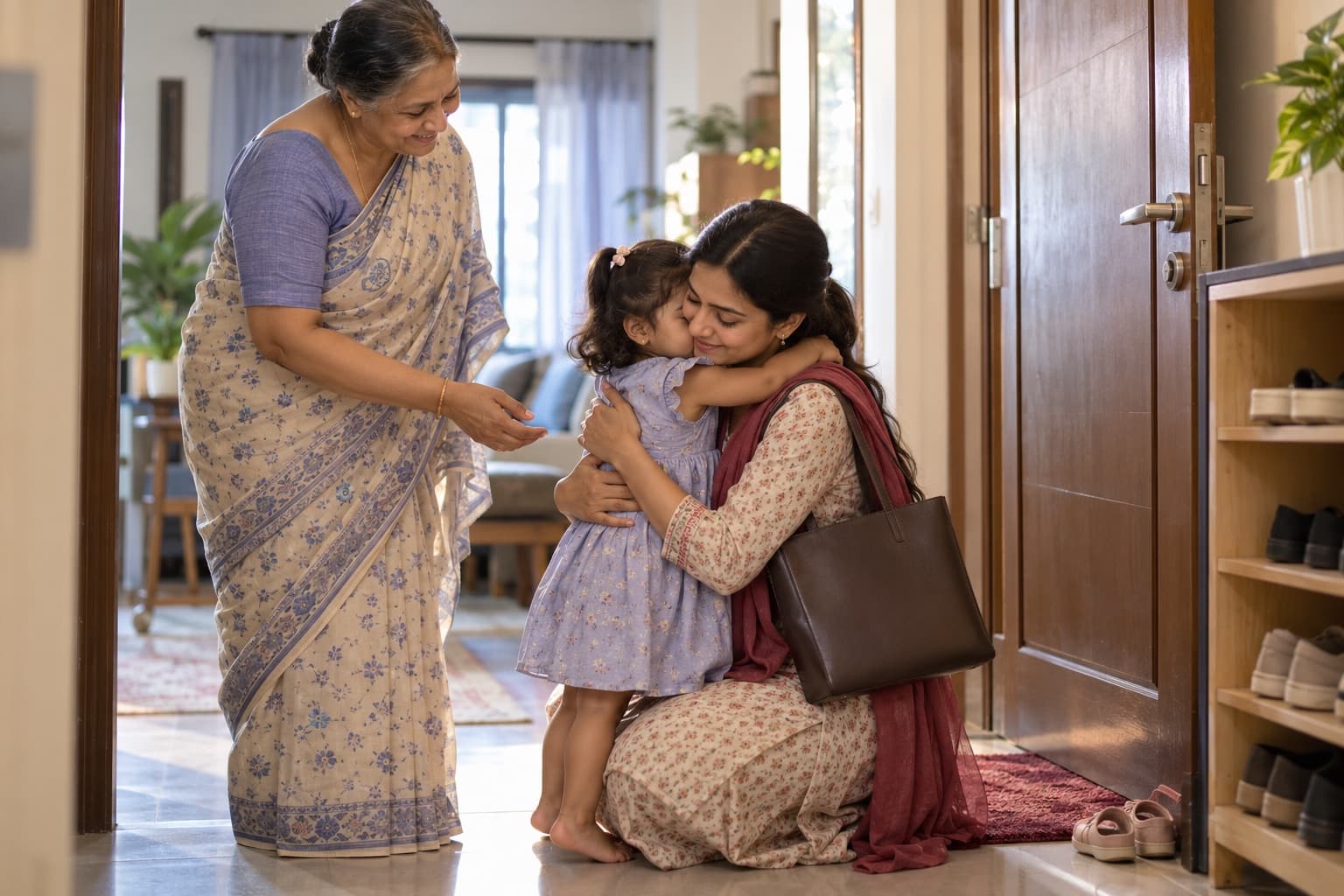
- Stay calm and come close. Your calm voice and body are the anchor a crying child holds on to.
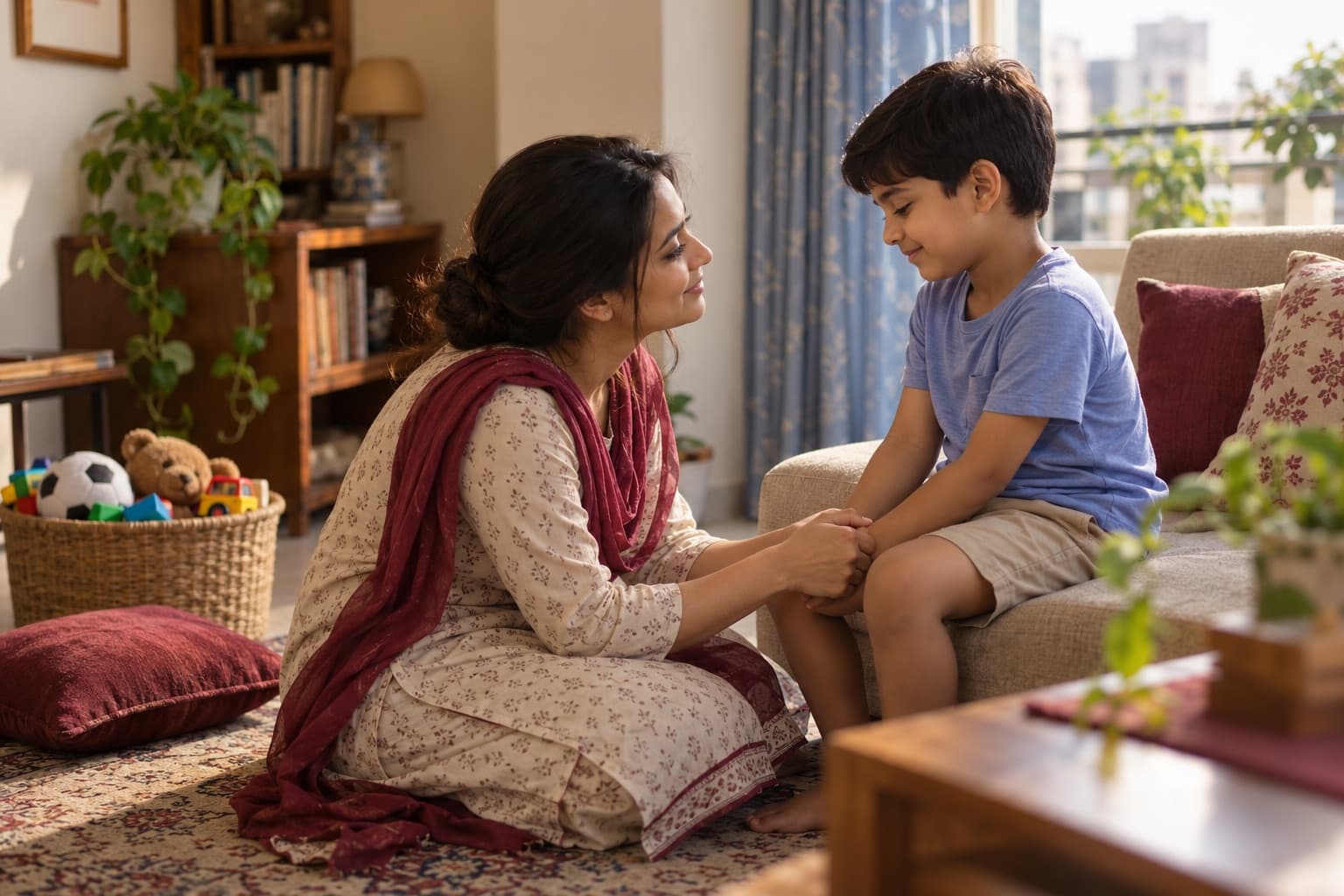
- Name the feeling in a few words: 'You're disappointed the game ended.' How to help a child with big emotions has more feeling words.
- Let the tears run their course. Offer a hug, your lap or quiet company; some children prefer a little space. Skip 'Stop crying' and 'It's nothing.'
- Breathe together: smell the flower, blow out the candle, three slow times.
- Once your child is calm, solve it together: 'What would help now?' A new biscuit, one more round of the game, or a plan for tomorrow.
- Notice the recovery afterwards: 'You were really sad, and you calmed yourself down.'
What you might say
- You're really sad. I'm right here.
- It's okay to cry. Let it out, and then we'll sort it out together.
- That felt unfair to you, didn't it?
- Let's smell the flower and blow out the candle. One more time.
- Would you like a hug, or shall I just sit next to you?
- You calmed yourself down. That was hard, and you did it.
Feelings first, fixing later.
Child cries when scolded? How to correct a sensitive child
Many sensitive children cry the moment they are corrected, because a sharp tone feels, for a moment, like losing your love. You still need to correct them; how you do it makes the difference.
- Get close and lower your voice, rather than calling across the room.
- Talk about the action, not the child: 'The milk spilled. Let's get a cloth,' not 'You're so careless.'
- Keep it short and private, never in front of guests or cousins.
- Hold the limit kindly through the tears: 'I can see you're upset. The rule is still the same.'
- Reconnect soon after: a hug or a small job together shows the relationship is safe.
Harsh words and labels can slowly chip away at how a child sees themselves; how to build a child's confidence covers this in depth.
How to help a sensitive child build coping skills
Coping skills are learned in calm moments and used in hard ones. A few that suit sensitive children aged 4–10:
- A feelings scale: 'Is this a small, medium or big upset?' Small upsets get small reactions, and children slowly learn to tell the difference.
- A calm spot: a cushion in a corner, a chair by the window, or a box with a soft toy and crayons.
- Practise losing: ludo, carrom and snakes and ladders are safe places to feel disappointed and try again.
- Rehearse hard moments in play: 'What could Teddy say when someone takes his seat?'
- Warn before changes: 'In five minutes we'll leave the park.' Surprises are harder for sensitive children.
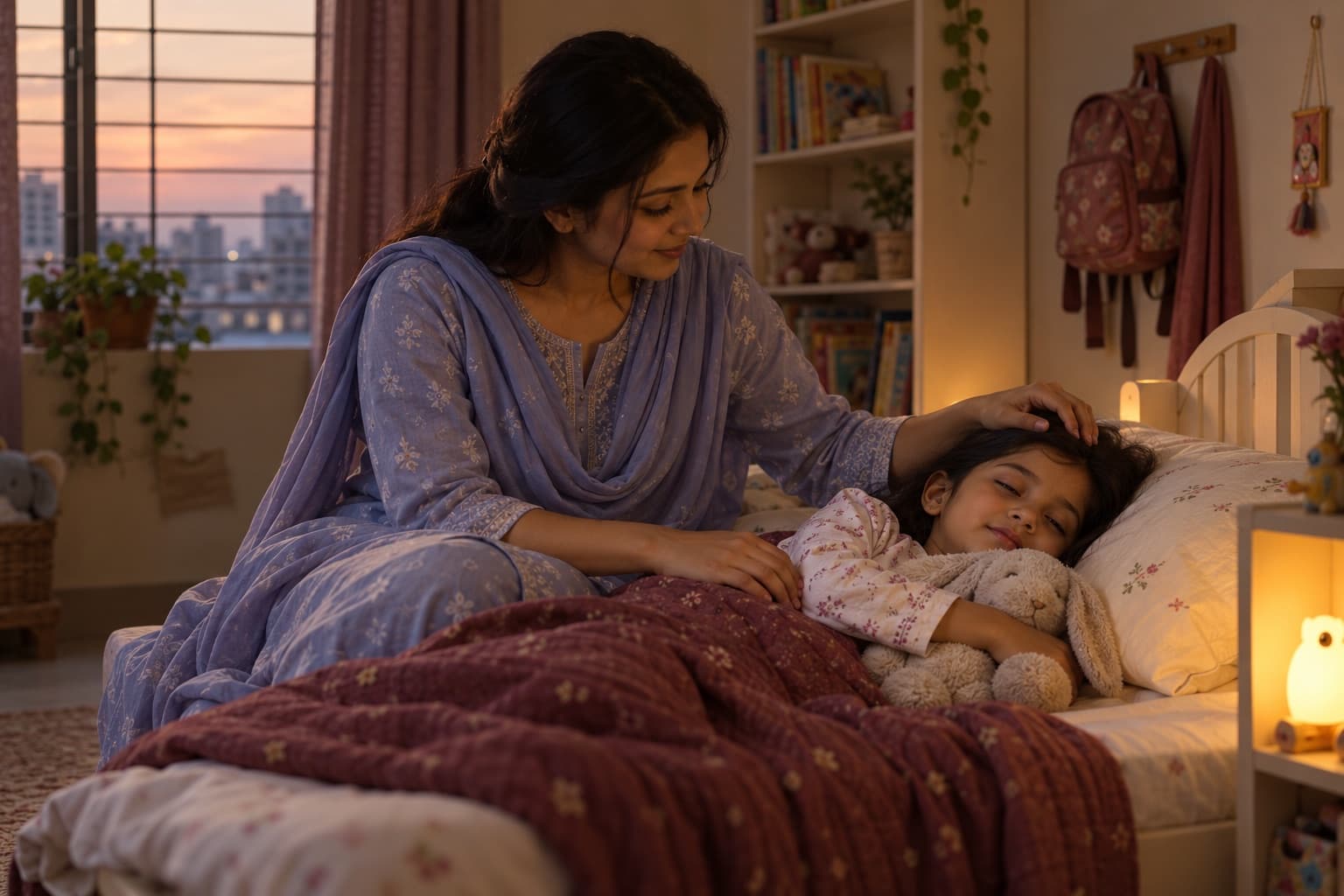
- Protect the basics: a regular bedtime, and a snack straight after school.
In a Bangladeshi home: 'boys don't cry', hurt feelings and comparisons
'Boys don't cry'
Many of us grew up hearing 'boys don't cry', often said with love, to make a son strong. But being allowed to cry doesn't make a boy weak. Boys who can name their sadness often find anger and stress easier to handle, and they learn that strong people have feelings too. Say to a son what you would say to a daughter: 'It's okay to cry. I'm here.' Fathers who mention their own feelings ('I felt very sad when Nanu was ill') often teach this best.
Hurt feelings with the people they love
Bangla has a word, abhiman, for the hurt a child feels when someone close lets them down: going quiet, sulking or crying when a parent forgets a promise or praises a cousin. Name it gently ('You felt I forgot about you'), give a little time, and make the repair yourself: keep the promise, or spend ten minutes together. Teasing a child about it usually deepens the hurt.
Labels, comparisons, guests and coaching
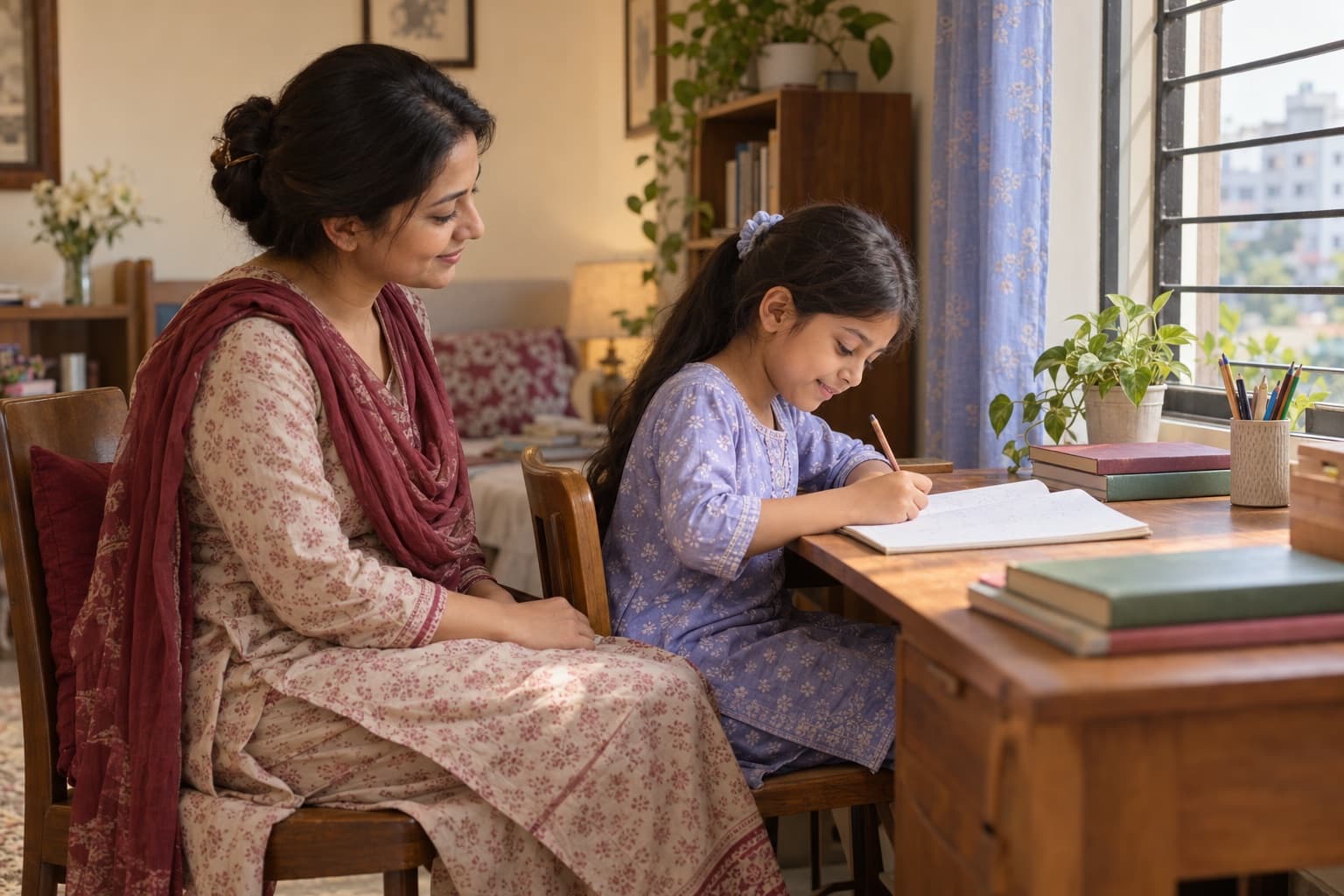
Labels such as 'crybaby', or 'drama queen' for a girl, tend to stick, and comparisons with a cousin who 'never cries' usually make a child feel worse; ask relatives gently to drop them. When tears come in front of guests, take your child to a quiet room rather than hushing them in front of everyone. Many tears also come from long days of school, coaching and homework, or from worry about marks: 'Whatever the marks, I saw how hard you worked.'
A 7-day plan when your child cries easily
- Day 1: Notice. Note each cry: the time, what happened just before, how long it lasted and what helped. Note sleep and meals too.
- Day 2: Look for the pattern. If tears cluster when your child is tired or hungry, change one thing: an earlier bedtime or a snack after school.
- Day 3: Practise the three-step response every time: come close, name the feeling, wait.
- Day 4: Teach one calm-down skill at a calm time, such as flower-and-candle breathing or the small, medium, big scale.
- Day 5: Talk with the adults at home: no labels like 'crybaby', no 'boys don't cry', and the same few comforting words from everyone.
- Day 6: Play a game your child might lose, and praise how they handle it.
- Day 7: Compare with Day 1: how many cries, how long they lasted, and how quickly your child recovered. Keep what helped.
When does crying need a closer look?
Most sensitive children cry less as their coping skills grow. If your child cries easily and you also notice any of these, talk to your child's doctor, a child psychologist or the school:
Get help if
- Your child is sad, irritable or tearful most days for two weeks or more, or finds no joy in things they used to love.
- A sudden change: a cheerful child turns tearful, fearful, clingy or withdrawn, or suddenly fears a person or place. Ask gently, believe what your child tells you, act the same day, and call 999 if they are in danger now.
- Tears with worry that stop everyday life for weeks: refusing school, stomach aches before school, or trouble sleeping. See anxiety in children.
- Crying that comes with pain, a fever, poor appetite, weight loss or unusual tiredness: see a doctor, the same day if your child seems very unwell.
- Reactions to noise, clothes, food textures or changes in routine so strong that they disrupt daily life, along with differences in speech, play or making friends: ask a doctor about a development check.
- Your child hurts themselves or talks about wanting to die, even in anger: stay calm and stay close. Call 999 if they are in danger now; otherwise speak to a doctor the same day.
When a child cries easily, it often means they feel deeply, and with time and steady comfort that can become a strength. ParentMind helps you note what happens each day, such as when tears come and what helped, so patterns are easier to see; see how ParentMind works.
Questions parents ask
Why does my 8 year old cry so easily?
At 8, crying easily is still common, especially in sensitive children. Typical triggers are tiredness after long school days, friendship trouble, teasing, worry about marks and feeling criticised. Many 8-year-olds hold tears in at school and let them out at home. Protect sleep, listen without rushing to fix, and look closer if tears come with low mood most days for two weeks or more.
How do I discipline a sensitive child?
Gently and briefly. Get close, lower your voice, and talk about the action rather than the child: 'The paint spilled. Let's clean it up together.' Keep corrections private, hold the rule kindly even if tears come, and reconnect soon after with a hug or a small job together. Sensitive children usually need a softer delivery, not softer rules.
Should I tell my son that boys don't cry?
It's better not to. Boys feel sadness and fear just as girls do, and being told to hide it doesn't make the feelings go away; it often makes them come out as anger or silence. Let your son cry, name the feeling and help him calm down. Boys who can talk about their feelings often cope better with stress as they grow.
Is my child crying for attention?
Sometimes children cry partly for attention, and that is a real need, not a trick. If tears regularly win a yes or get your child out of tasks, crying can become a habit. Comfort the feeling, keep the limit, and give plenty of attention at calm times, so your child doesn't need tears to get it.
Will my sensitive child grow out of crying so much?
Most children cry less as they grow, learn feeling words and practise calming down, often noticeably by the later primary years. Sensitivity itself often stays, and that's fine: many sensitive children grow into caring, perceptive adults. The aim is a child who can feel deeply and still bounce back, not one who never cries.
How can I help my sensitive child cope?
Start with the basics: enough sleep, regular snacks and warnings before changes. In the moment, come close, name the feeling and let the tears pass before solving anything. At calm times, teach one coping skill at a time, such as slow breathing or the small, medium, big scale, and praise the bounce-back rather than dry eyes.
This article is general information, not medical advice. For health worries, talk to a doctor; if someone is in danger, contact your local emergency number.