Growing up
Early signs of pregnancy: what you may notice, and what to do next
The first signs many women notice, why none of them is certain on its own, what to do next, and the urgent signs in early pregnancy.
11 min read


Every age brings something new to understand. These guides explain what tends to change as children grow, what is usually part of normal development, and the signs worth a closer look.
Showing 35 of 35 guides
The first signs many women notice, why none of them is certain on its own, what to do next, and the urgent signs in early pregnancy.
11 min read
Weeks 1 to 13 explained: what your body is doing, how to ease nausea and tiredness, when to book your first checkup, what to avoid and the signs that need a hospital.
12 min read
When you're most likely to get pregnant, how often to try, what helps and what doesn't, and when to see a doctor, explained simply for couples.
11 min read
Every pregnancy warning sign on one page, grouped by what to do, with the labour and after-birth signs, what to do on the way and how to get ready before you need it.
13 min read
How many checkups you need and when, what happens at each one, what to bring and ask, the tetanus vaccine, keeping your card, and the signs that cannot wait for the next visit.
11 min read
A three-month plan for couples getting ready for a baby: the checkup and the questions to ask, habits for both of you, money and work, and family pressure.
11 min read
The right day to test, how to use a home pregnancy test, what a faint line or a negative result means, and your first steps after a positive.
10 min read
Ten is often class four or five: a steady, sociable year with sharper reasoning, close friend groups and, for some girls, the first signs of puberty. What's normal, sleep, screens, a first phone, a routine and when to get help.
14 min read
Eleven is often the turning year: puberty under way for many girls and starting for many boys, more moods, closer friends and, for many, a new school in class six. What's normal, sleep, phones, a routine and when to get help.
13 min read
Twelve is the edge of the teenage years: first periods and breaking voices for many, closed doors, intense friendships, first dares and social media pressure before 13. What's normal, sleep, school, phones and when to get help.
13 min read
The early teens bring big changes: bodies deep in puberty, a body clock that runs late, strong moods, a need for privacy, friends who matter more than ever, and the pressures of class seven to nine. What's normal, what helps and when to get help.
14 min read
What to expect from 16 to 18 year olds, and how to hand over freedom step by step while staying close through board exams, first relationships and big decisions.
14 min read

Three is the age of 'why?', 'no!' and big pretend games. What most 3-year-olds can do, what's normal, sleep, screens, play, a sample day and when to ask for help.
13 min read
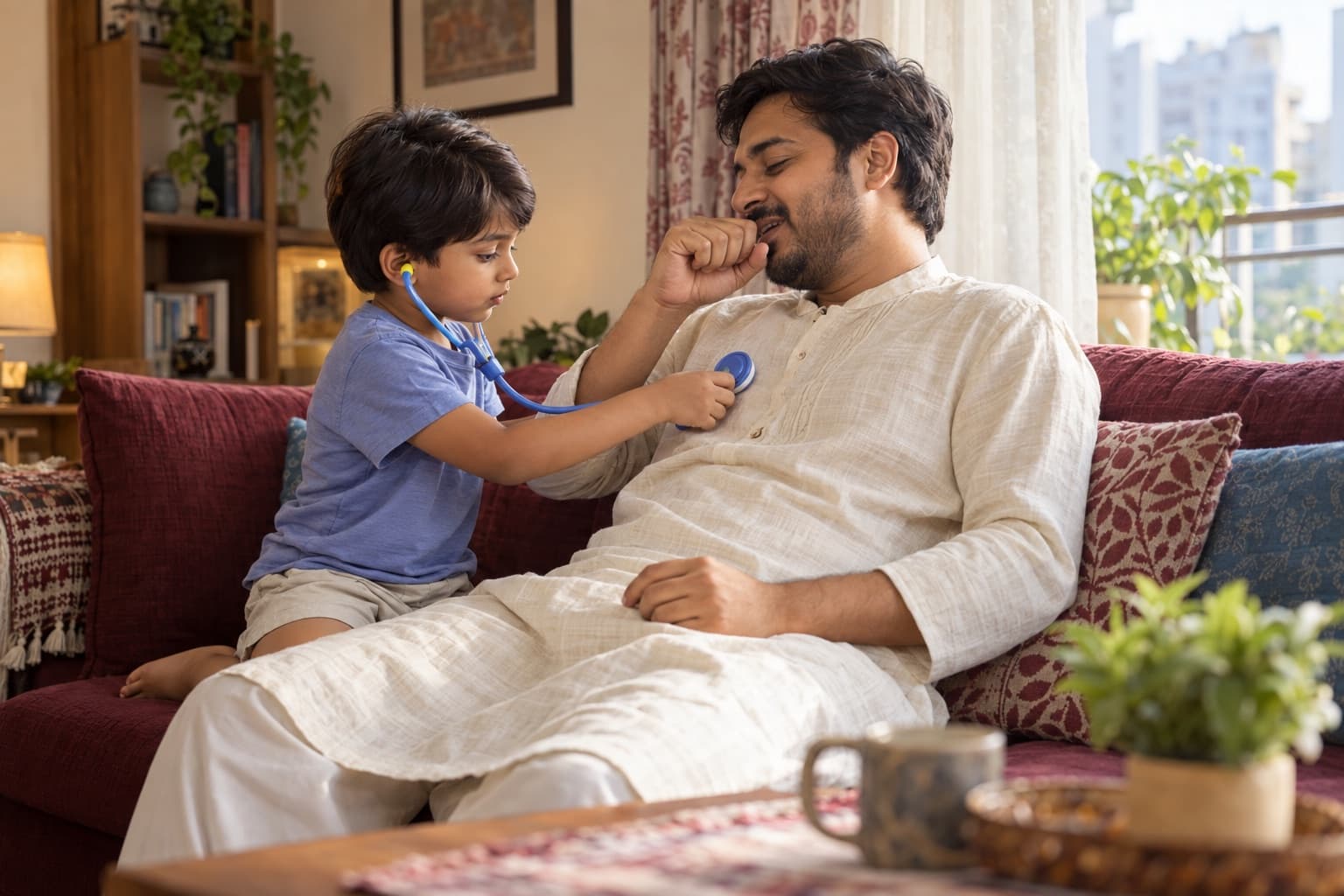
Four is the age of big imaginations, tall tales and 'why?' about everything. What most 4-year-olds can do, what's normal, sleep, screens, play, a sample day and when to ask for help.
13 min read

Five is a big year: proud and capable one minute, teary the next. What most 5-year-olds can do, what's normal, sleep, screens, play, a sample day and when to ask for help.
12 min read
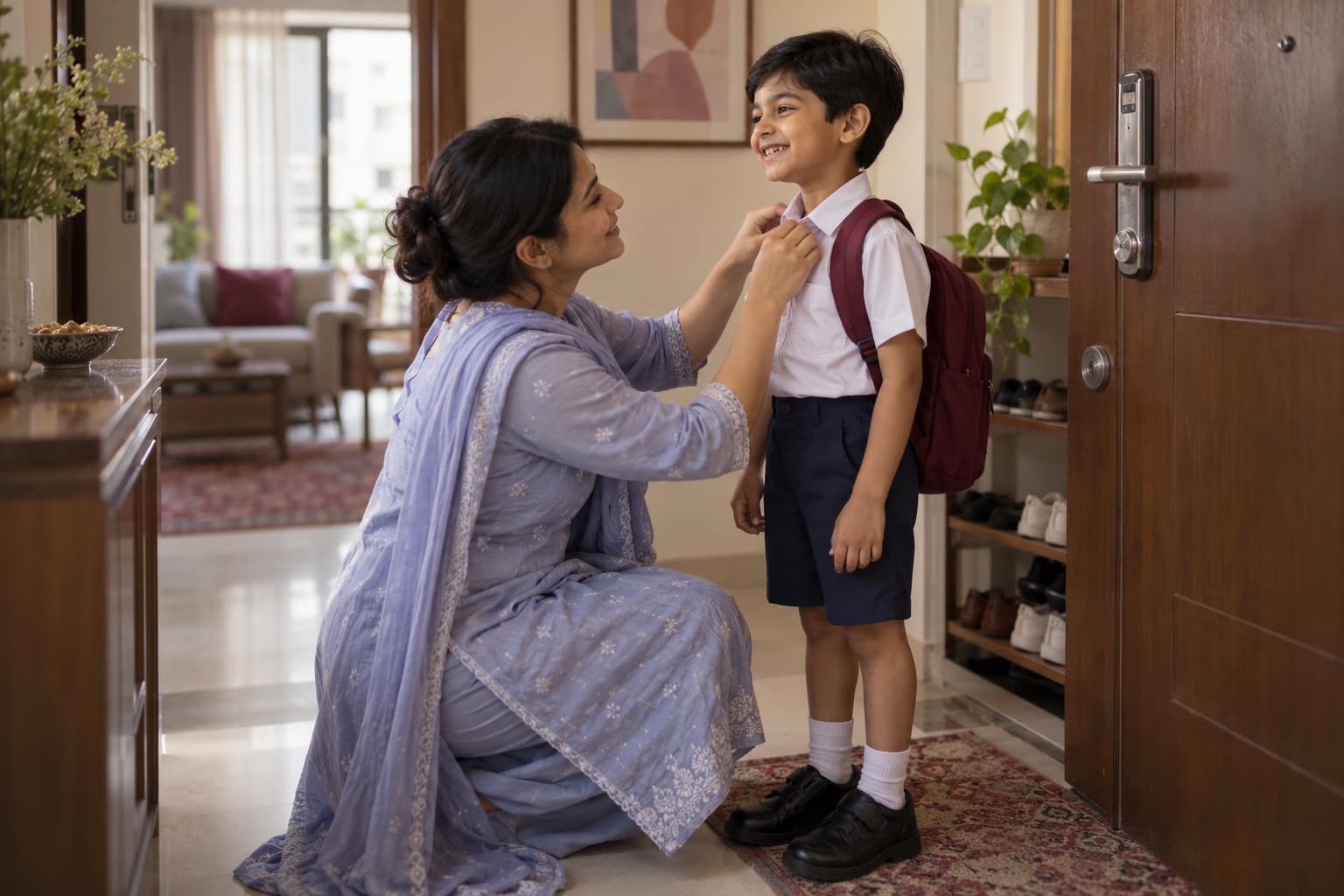
Six often means class one, wobbly teeth and a fierce sense of fairness. What most 6-year-olds can do, what's normal, sleep, screens, homework, a school-day routine and when to ask for help.
13 min read
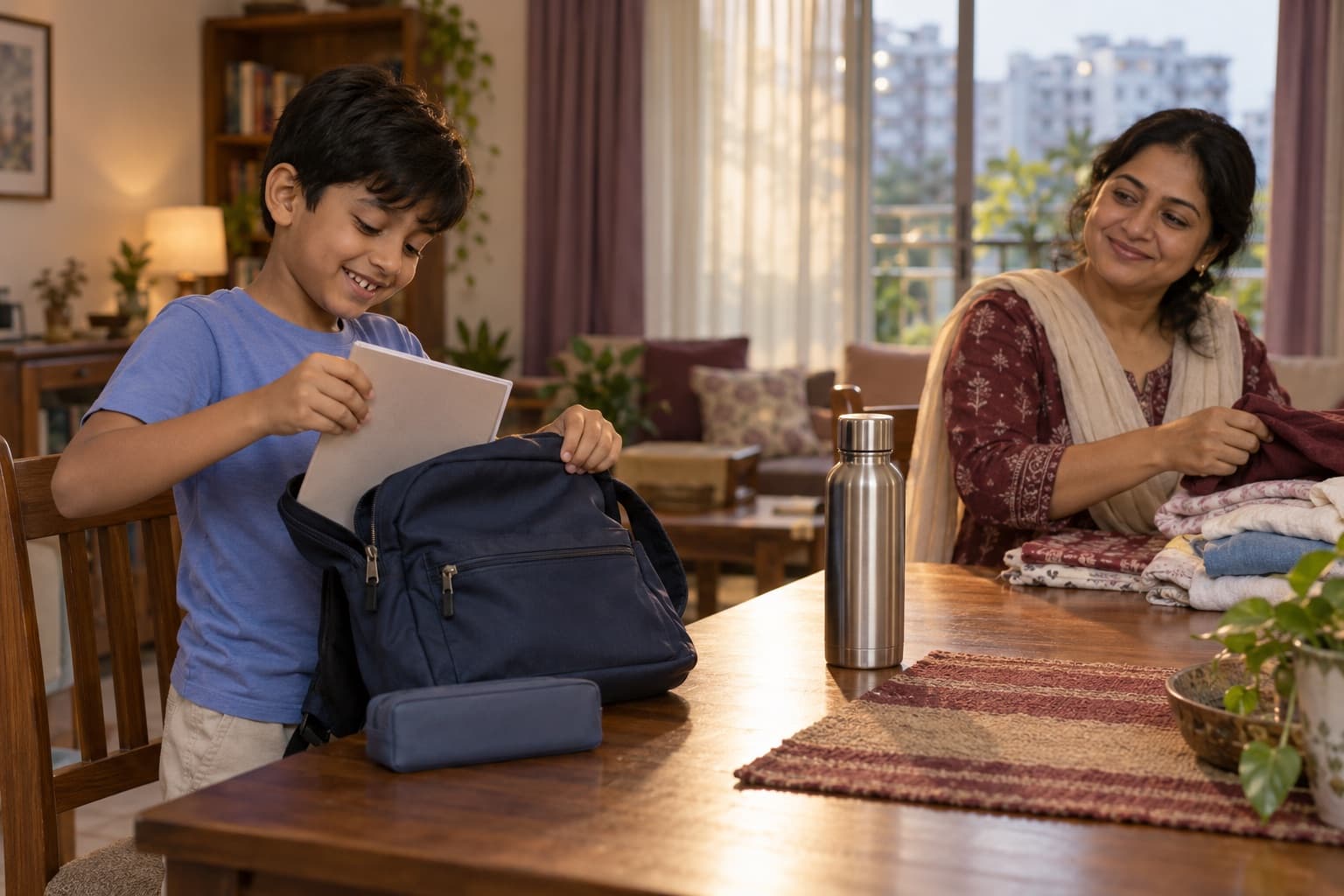
Seven often brings real reading, best friends and a new, quieter seriousness. What most 7-year-olds can do, what's normal, school, sleep, screens, a school-day routine and when to ask for help.
13 min read
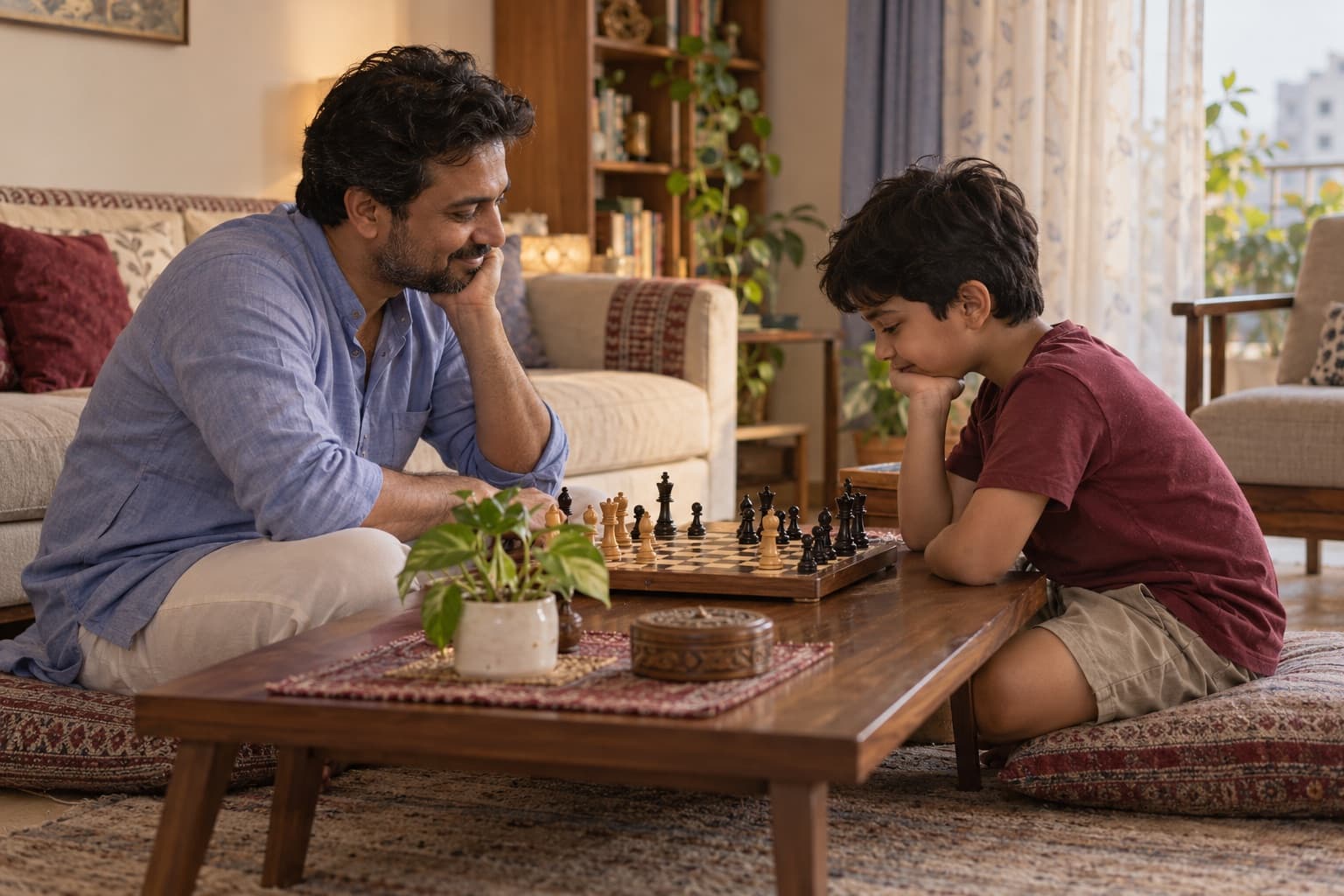
Eight is often class two or three: reading to learn, closer friends, a sharp sense of fairness and first requests for a phone or online games. What's normal, sleep, screens, a school-day routine and when to get help.
13 min read
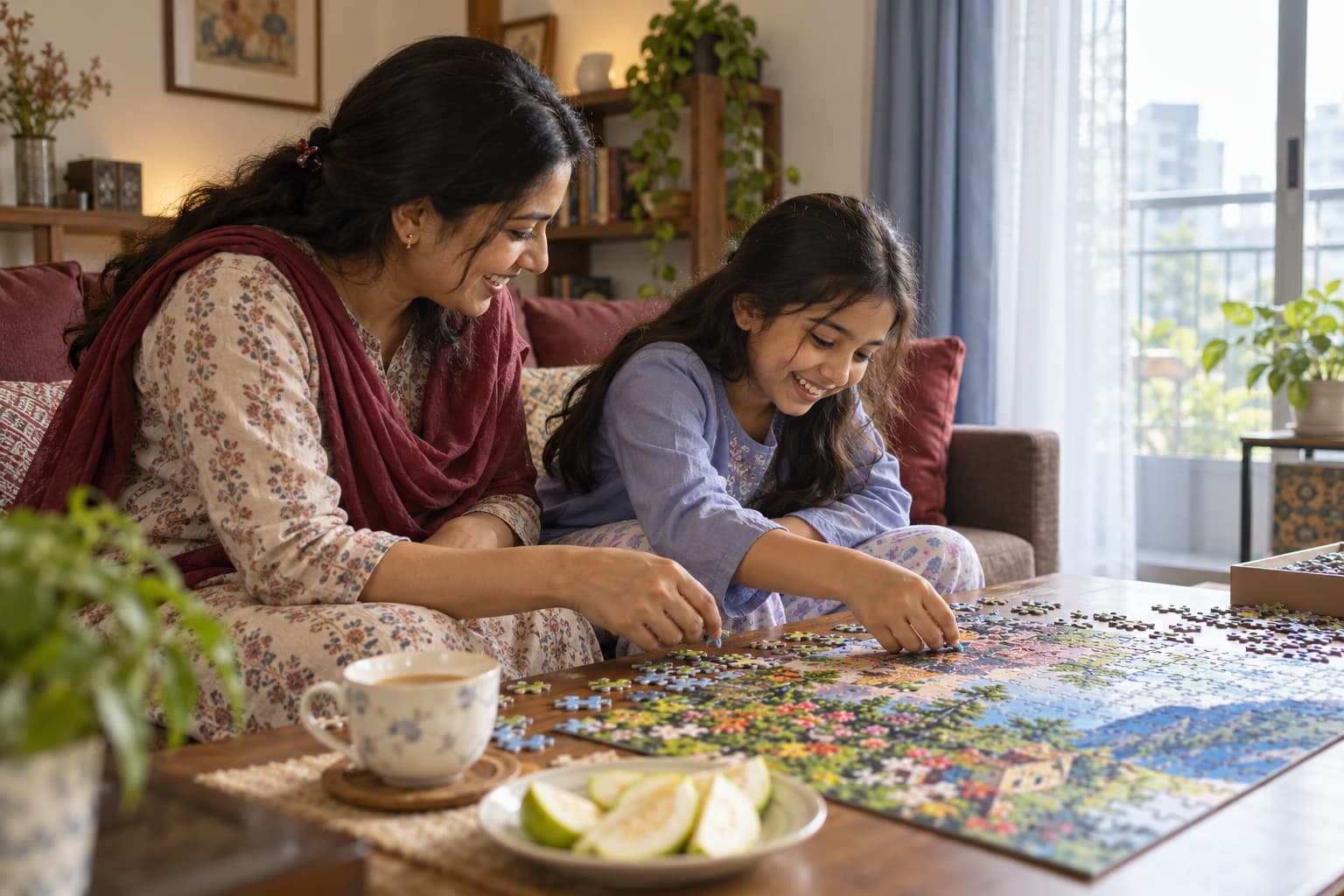
Nine is often class three or four: closer friends, a sharp sense of fairness, more independence and, for some, early puberty. What's normal, sleep, screens, phones, a routine and when to get help.
14 min read
No playground, a busy road and a child bouncing off the sofa? How much movement children need, 30+ ideas that fit a flat, and how to keep rooftops and stairs safe.
13 min read
Bangla at home, English at school, a grandparent's dialect and cartoons in between: what is normal, which home patterns work, and how to keep both languages alive.
11 min read
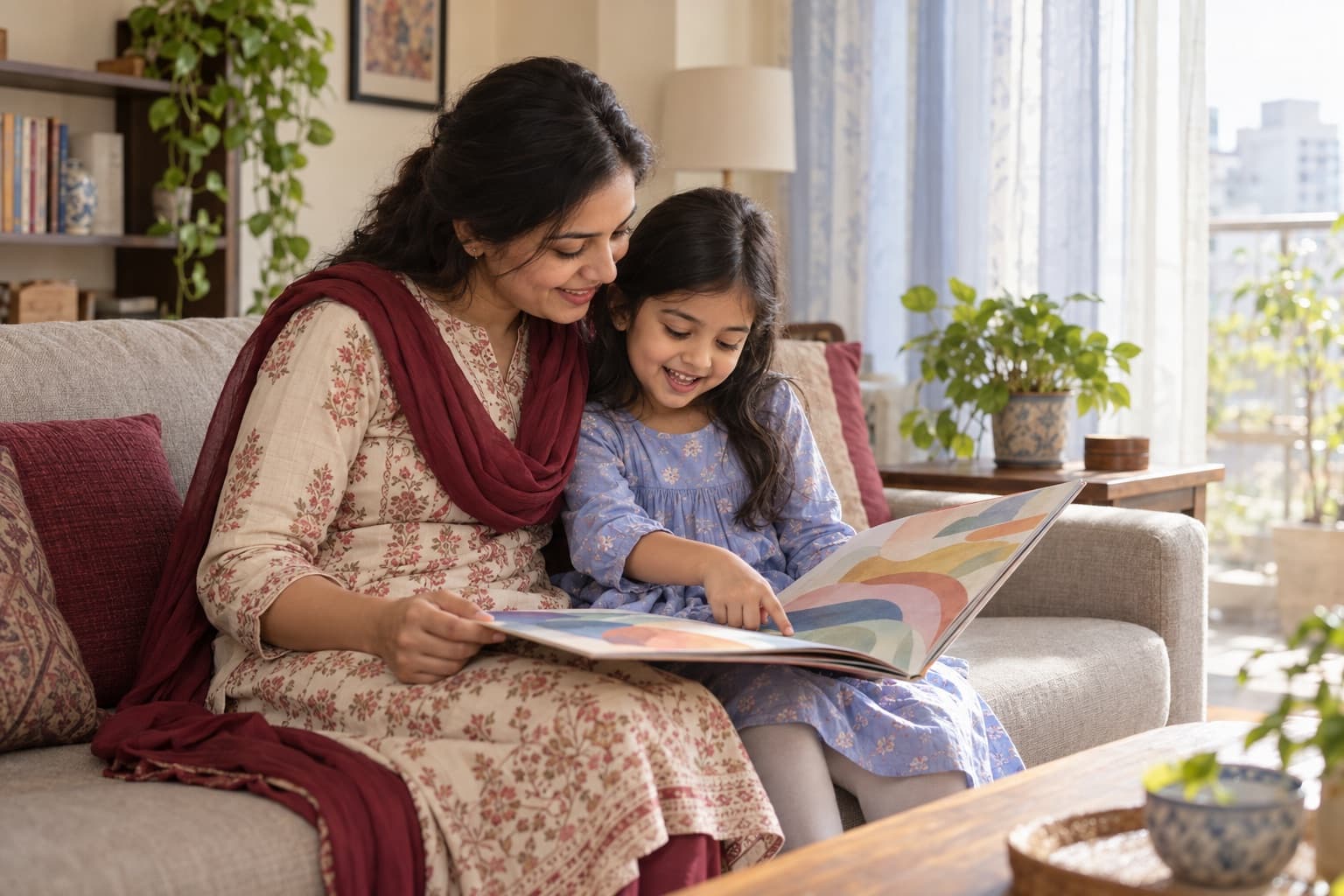
Age-by-age body safety for children aged 3–12: the words to use, the private parts rule, saying no to hugs, and what to do if a child tells you something.
14 min read
Clamped lips, tears at the basin and a toddler who runs from the brush: why children refuse, what to say, how much toothpaste to use, and a week-long plan.
12 min read

Every child grows at their own speed, but development follows a broad pattern. A chart of the stages from birth to 12, what helps at each one, and the signs to talk to a doctor.
13 min read
Readiness matters more than age. A checklist to tell whether your child is ready, the house rules to agree first, what to say about strangers and emergencies, and how to start with short times.
12 min read
Why some children struggle to make friends, and how to help with social skills practice at home, small playdates, clubs and a 7-day plan.
12 min read
Which chores suit each age from 4 to 15, how to teach them without nagging, and why boys and girls, and children in homes with house help, still help.
12 min read
How to teach a child independence at 2–7: dressing, eating, toileting, tidying and hand-washing by age, and how to let a much-loved child try in a home where someone has always done it for them.
12 min read
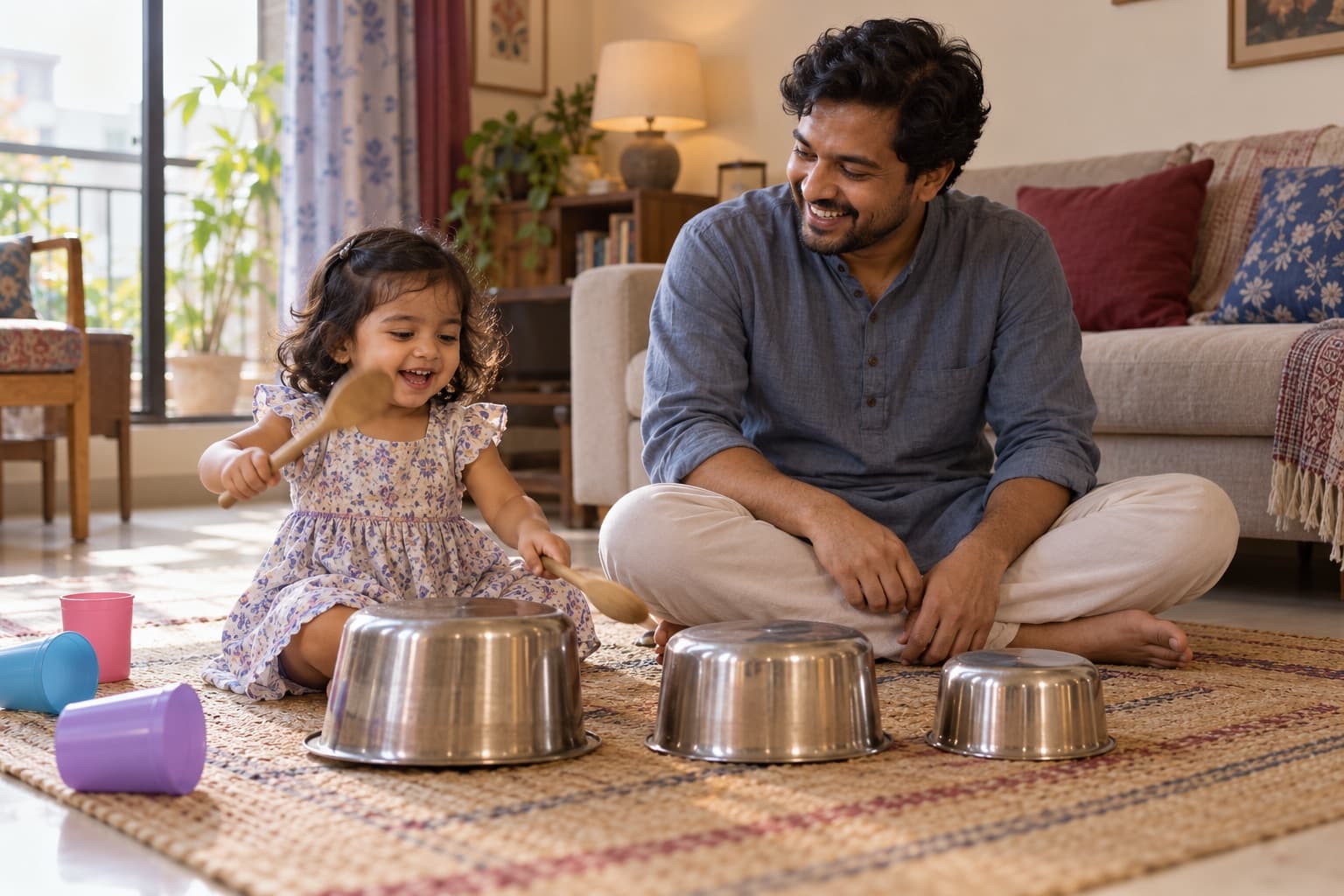
You don't need special toys or a big flat to play well with a young child. Here are games by age, toys you can make from household things, and how to follow your child's lead.
11 min read
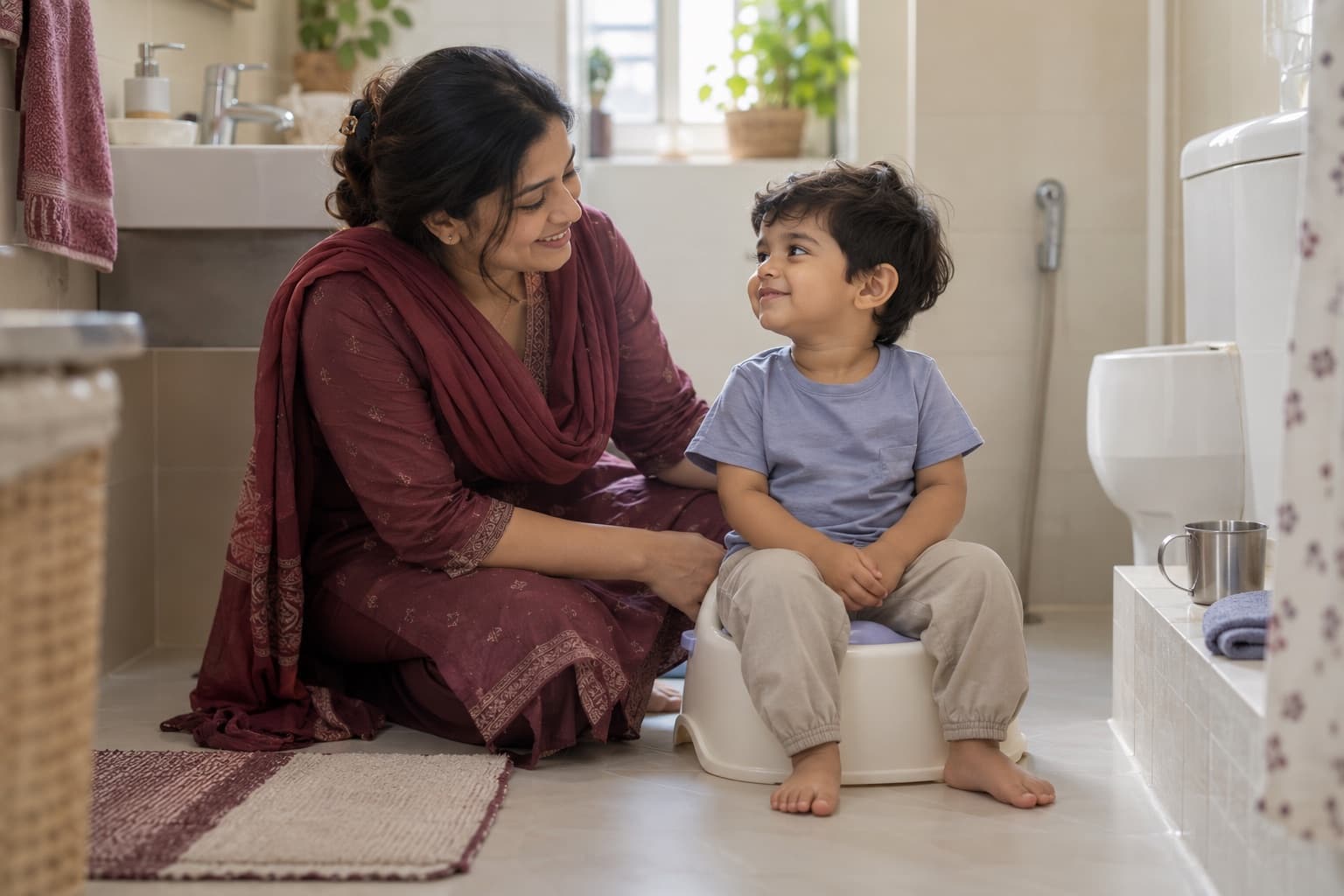
Readiness matters more than age. The signs to look for, a calm step-by-step plan, what to do about accidents, and how it works with squat toilets and busy homes.
10 min read

Between 9 and 12, children start to grow up fast: bodies change, friends matter more and doors close more often. What's normal, how to talk about puberty kindly, and how to stay close.
12 min read

Start before her body changes, in short, calm talks: what to say about breasts, hair and periods, a school period kit, which pain is normal, and how fathers can help too.
13 min read
Start before his body changes, in short talks side by side: growth, voice, hair and wet dreams, hygiene, feelings, online images and respect, and how mothers can help too.
13 min read
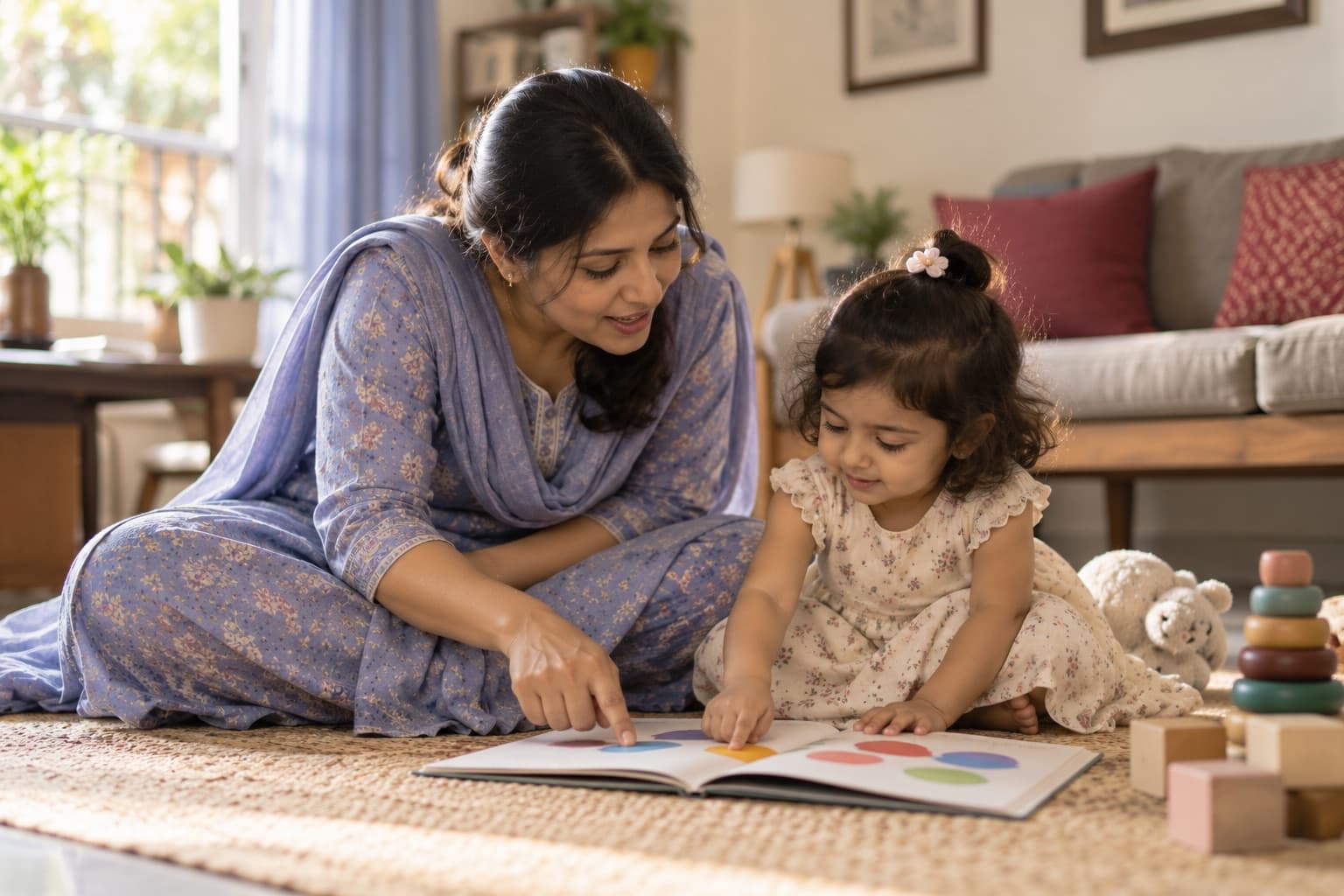
Your toddler points and pulls your hand but says only a few words? What's typical by age, how to help at home, and the signs that mean a check now.
10 min read
Running, climbing, wriggling through meals: some children never stop. What is normal, how to channel the energy in a small flat, and the signs worth checking.
12 min read
ParentMind keeps a short note of each day and shows, in your child's own numbers, whether a change is helping.
Free to join. No credit card. Private by default.

